
 Apr 27, 2026
 The Invisible Engine of Modern Industry
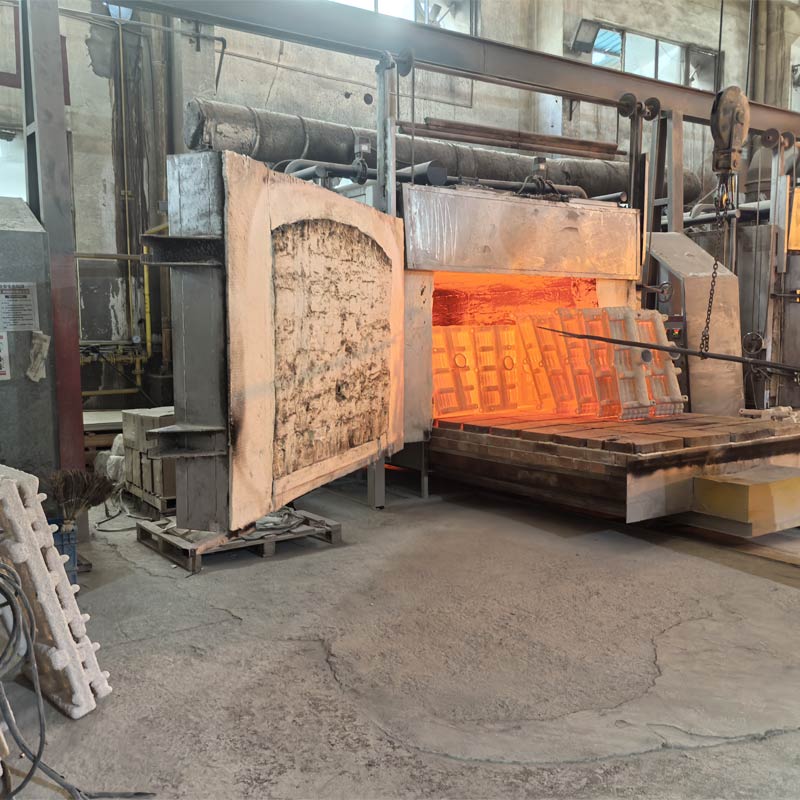
In manufacturing, we often focus on the shape of a component—how it is forged, machined, or cast. However, the most critical transformation happens where the naked eye cannot see: inside the molecular structure.
Without heat treatment, the world as we know it would literally fall apart. At FH®, we believe that understanding the "Why" behind heat treatment is the key to unlocking superior product lifespans and safety.
1. Achieving the Perfect Balance of Hardness and Toughness
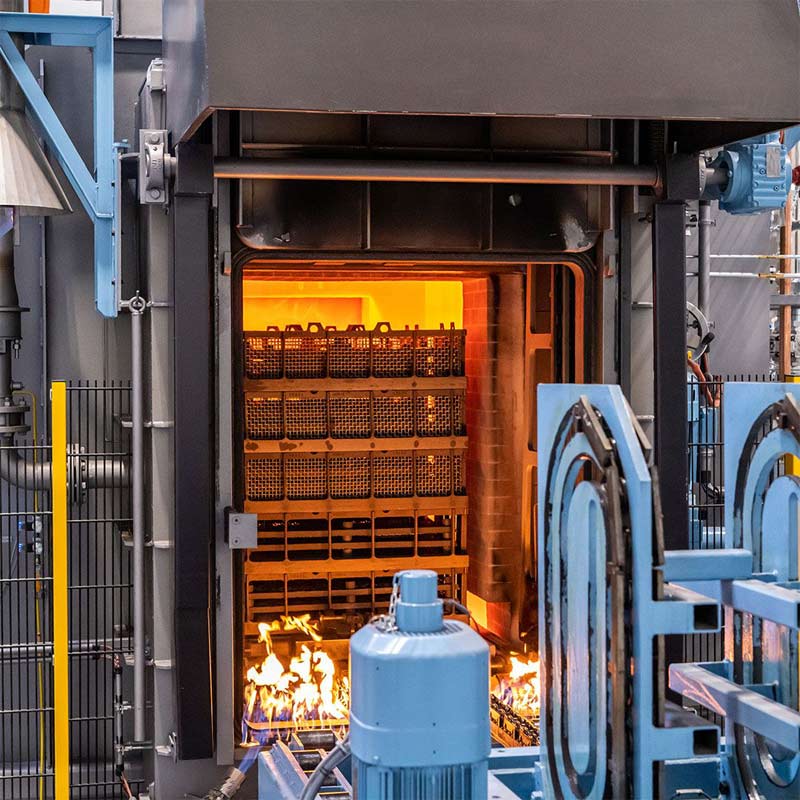
Raw steel is often either too soft to resist wear or too brittle to handle impact. Heat treatment allows us to manipulate the crystalline structure of the metal to achieve specific mechanical properties.
By using processes like quenching and tempering, FH® clients can fine-tune their components to meet the exact demands of their operating environment.
2. Relieving Internal Stresses (The "Silent Killer")
Manufacturing processes like welding, cold rolling, and casting leave behind "residual stresses." Think of this as the metal being under constant internal tension. If these stresses aren't removed, the part may warp, crack, or fail prematurely once it’s put into service.
Heat treatment processes like Stress Relieving and Annealing act as a "thermal massage," allowing the atoms to rearrange into a more relaxed, stable state.
3. Improving Machinability and Formability
Sometimes, metal is simply too hard to work with. If a manufacturer tries to machine a high-carbon steel part in its raw state, they will destroy their cutting tools in minutes.
Heat treatment can temporarily soften the metal (Annealing), making it easy to shape and machine, before a final hardening process brings it to its ultimate strength. This saves time, reduces tool costs, and increases precision.
4. Enhancing Wear and Corrosion Resistance
For components exposed to harsh environments—like the salty air of offshore oil rigs or the high-friction environment of an engine—heat treatment provides a protective edge. Processes like Carburizing or Nitriding create a hard "case" on the outside of the part while keeping the core tough and flexible.
The Role of FH®: Stability in the Heat
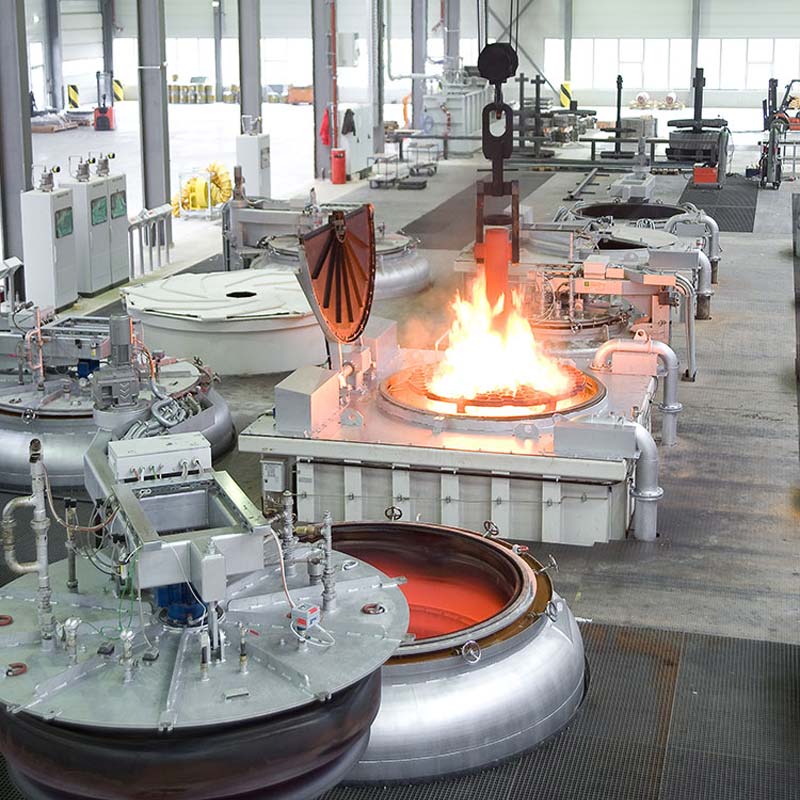
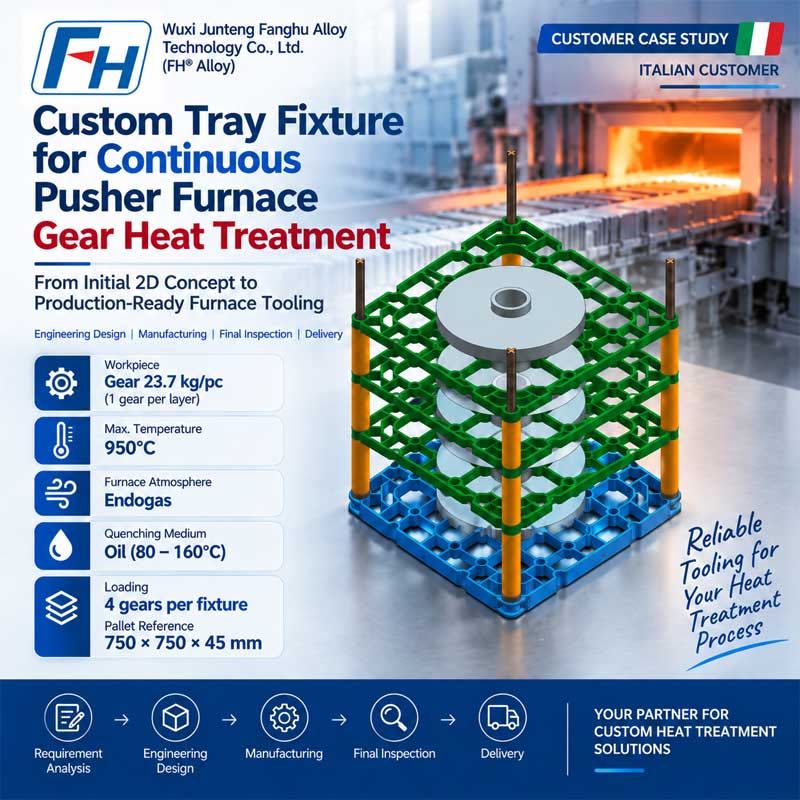
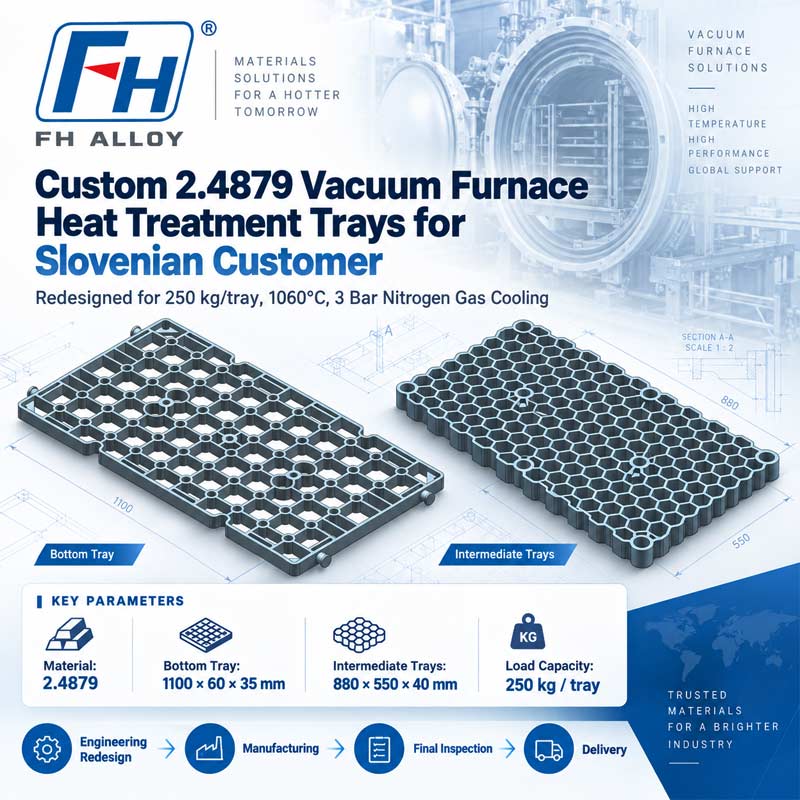
Heat treatment is a violent process. Metals are pushed to extreme temperatures ($800$°C to $1200$°C) and then rapidly cooled. In this volatile environment, the fixtures (the baskets and trays that hold the parts) are just as important as the furnace itself.
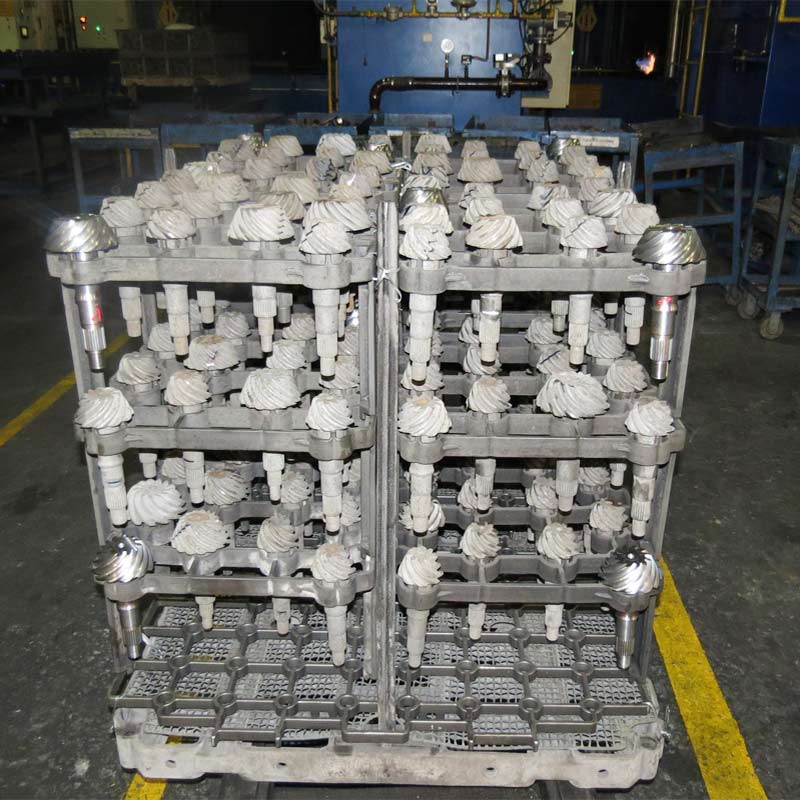
Why choose FH® Fixtures?
Conclusion
Heat treatment is the difference between a part that fails and a part that thrives. It is the science of making metal "smarter" and more resilient. At FH®, we are proud to provide the high-performance fixtures that support these critical transformations every day.
Is your production line optimized for the heat?
[Browse FH® High-Performance Fixtures] | [Consult with an FH® Metallurgist]
 CategoryRecent Post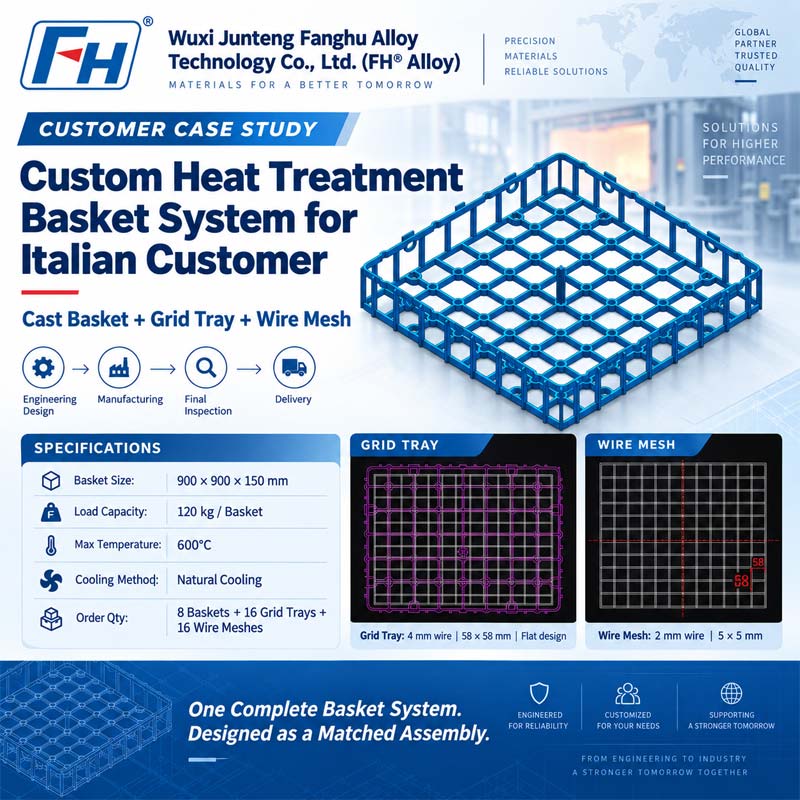

Focus on Designing and Manufacturing Alloy Steel Parts since 2006
 Tel: 0510-83310100
  E-mail: info@alloy-casting.com
  Office Add: Room 1105,Building 6, Jiaye Wealth Center,Wuxi, Jiangsu, P.R.China P.C.:214000.
  Privacy

 English
 Español
 italiano
 Deutsch
 0086-13338774804
