In modern heat treatment and continuous furnace systems, furnace rolls play a critical role in ensuring stable product movement, uniform heating, and long-term production efficiency. Among the most commonly used types are alloy furnace rolls and ceramic furnace rolls.
Although both serve the same basic function—transporting materials through high-temperature furnace zones—their materials, performance characteristics, and ideal applications are quite different. Choosing the right type can directly affect production stability, maintenance cost, and product quality.
This article explains the key differences in a practical, engineering-focused way to help you select the right furnace roll for your application.
1. What Are Furnace Rolls?
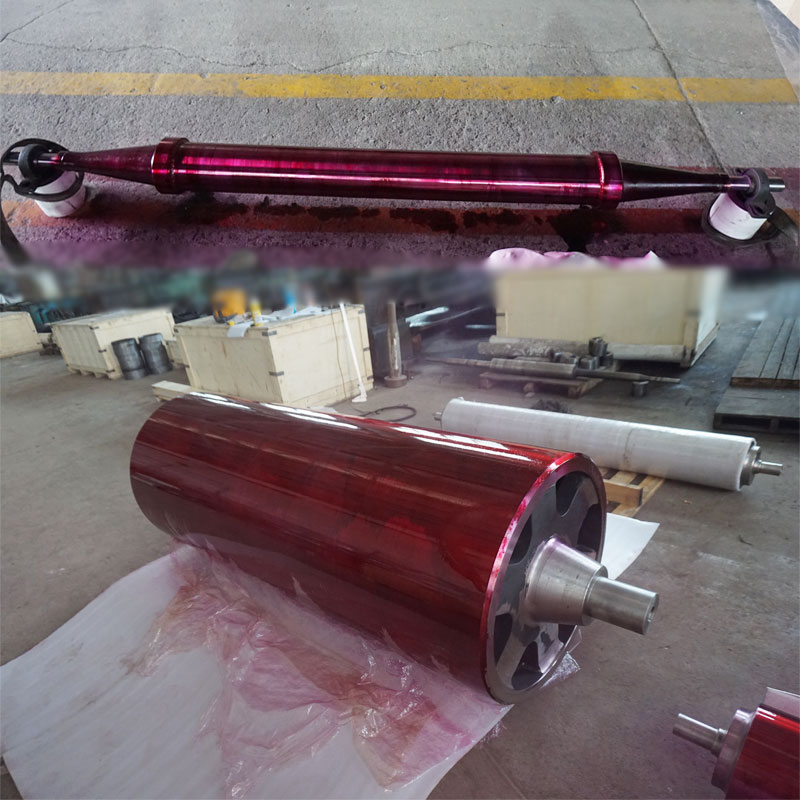
Furnace rolls (also called roller hearth furnace rolls) are rotating components installed inside industrial furnaces. They are used to transport steel strips, plates, or other materials through heating zones in continuous processes.
They must withstand:
- High temperatures (up to 600°C–1200°C or higher depending on furnace type)
- Mechanical load from the material being processed
- Thermal shock from heating and cooling cycles
- Oxidation and corrosion from furnace atmosphere
The two most common material categories are:
- Alloy furnace rolls (metal-based, heat-resistant alloys)
- Ceramic furnace rolls (non-metallic, high-purity ceramic materials)
2. What Are Alloy Furnace Rolls?
Alloy furnace rolls are made from heat-resistant metals, typically:
- High-temperature stainless steel
- Nickel-based alloys (e.g., Inconel-type materials)
- Heat-resistant cast alloys
Key Characteristics:
- Excellent toughness and mechanical strength
- Good thermal shock resistance
- Easier to machine and repair
- Suitable for moderate to high temperature ranges
Advantages:
- Strong load-bearing capacity
- Stable performance under dynamic rotation
- More cost-effective than ceramics in many cases
- Easier installation and replacement
Limitations:
- Susceptible to oxidation and scaling at extreme temperatures
- Shorter service life in highly corrosive furnace atmospheres
- May deform over long-term high-temperature exposure
3. What Are Ceramic Furnace Rolls?
Ceramic furnace rolls are made from advanced ceramic materials such as:
- Silicon carbide (SiC)
- Alumina-based ceramics
- Composite ceramics for high-performance applications
Key Characteristics:
- Extremely high temperature resistance
- Excellent oxidation and corrosion resistance
- High hardness and wear resistance
- Low thermal expansion
Advantages:
- Outstanding performance in very high-temperature environments
- Long service life in harsh furnace atmospheres
- Minimal scaling or oxidation
- Stable dimensional accuracy at high heat
Limitations:
- Brittle compared to metal rolls
- Lower impact resistance
- Higher cost
- More sensitive to thermal shock if not properly designed or operated
4. Key Differences Between Alloy and Ceramic Furnace Rolls
1) Material Structure
- Alloy rolls: Metal-based, ductile structure
- Ceramic rolls: Non-metallic, rigid crystalline structure
2) Temperature Resistance
- Alloy rolls: Best for medium to high temperatures
- Ceramic rolls: Suitable for extremely high temperatures
3) Mechanical Strength
- Alloy rolls: High toughness and impact resistance
- Ceramic rolls: High hardness but brittle
4) Thermal Shock Resistance
- Alloy rolls: Better resistance to sudden temperature changes
- Ceramic rolls: Requires controlled heating/cooling to avoid cracking
5) Corrosion & Oxidation Resistance
- Alloy rolls: Moderate resistance, may oxidize over time
- Ceramic rolls: Excellent resistance, very stable in harsh environments
6) Service Life
- Alloy rolls: Medium lifespan depending on conditions
- Ceramic rolls: Longer lifespan in high-temperature continuous operation
7) Cost
- Alloy rolls: Lower initial investment
- Ceramic rolls: Higher upfront cost but lower replacement frequency
5. Application Scenarios
Alloy Furnace Rolls Are Best For:
- Heat treatment furnaces with moderate temperatures
- Applications requiring high mechanical strength
- Environments with frequent load changes or shocks
- Cost-sensitive production lines
Typical industries:
- Steel heat treatment
- Forging and annealing lines
- General metal processing furnaces
Ceramic Furnace Rolls Are Best For:
- Ultra-high temperature furnaces
- Continuous production lines requiring long service life
- Highly corrosive or oxidizing atmospheres
- Precision heat treatment processes
Typical industries:
- Advanced metallurgy
- Continuous annealing lines
- High-end steel processing
- Special alloy production
6. How to Choose the Right Furnace Roll?
When selecting between alloy and ceramic furnace rolls, consider the following factors:
1. Operating Temperature
- Below extreme high temperature → Alloy rolls may be sufficient
- Above high-temperature threshold → Ceramic rolls preferred
2. Furnace Atmosphere
- Mild atmosphere → Alloy rolls
- Oxidizing or corrosive atmosphere → Ceramic rolls
3. Load Requirements
- Heavy load or impact → Alloy rolls
- Light to medium load with precision → Ceramic rolls
4. Budget vs. Lifecycle Cost
- Lower initial cost → Alloy rolls
- Lower long-term maintenance → Ceramic rolls
5. Maintenance Capability
- Frequent maintenance allowed → Alloy rolls
- Long continuous operation required → Ceramic rolls
7. Conclusion
The choice between alloy furnace rolls and ceramic furnace rolls is not about which is better overall, but which is better for your specific furnace environment and production needs.
- Alloy furnace rolls are ideal for flexibility, strength, and cost efficiency.
- Ceramic furnace rolls are ideal for extreme temperatures, long life, and high stability.
A proper selection can significantly improve furnace efficiency, reduce downtime, and enhance product quality.
About FH®
Wuxi Junteng Fanghu Alloy Technology Co., Ltd. (FH®) specializes in high-temperature furnace components including furnace rolls, radiant tubes, heat treatment fixtures, and other alloy-based solutions for industrial furnaces worldwide.
We provide customized engineering solutions to meet demanding thermal processing conditions.
4. Key Differences Between Alloy and Ceramic Furnace Rolls
1) Material Structure
Alloy rolls: Metal-based, ductile structure
Ceramic rolls: Non-metallic, rigid crystalline structure
2) Temperature Resistance
Alloy rolls: Best for medium to high temperatures
Ceramic rolls: Suitable for extremely high temperatures
3) Mechanical Strength
Alloy rolls: High toughness and impact resistance
Ceramic rolls: High hardness but brittle
4) Thermal Shock Resistance
Alloy rolls: Better resistance to sudden temperature changes
Ceramic rolls: Requires controlled heating/cooling to avoid cracking
5) Corrosion & Oxidation Resistance
Alloy rolls: Moderate resistance, may oxidize over time
Ceramic rolls: Excellent resistance, very stable in harsh environments
6) Service Life
Alloy rolls: Medium lifespan depending on conditions
Ceramic rolls: Longer lifespan in high-temperature continuous operation
7) Cost
Alloy rolls: Lower initial investment
Ceramic rolls: Higher upfront cost but lower replacement frequency4. Key Differences Between Alloy and Ceramic Furnace Rolls
1) Material Structure
Alloy rolls: Metal-based, ductile structure
Ceramic rolls: Non-metallic, rigid crystalline structure
2) Temperature Resistance
Alloy rolls: Best for medium to high temperatures
Ceramic rolls: Suitable for extremely high temperatures
3) Mechanical Strength
Alloy rolls: High toughness and impact resistance
Ceramic rolls: High hardness but brittle
4) Thermal Shock Resistance
Alloy rolls: Better resistance to sudden temperature changes
Ceramic rolls: Requires controlled heating/cooling to avoid cracking
5) Corrosion & Oxidation Resistance
Alloy rolls: Moderate resistance, may oxidize over time
Ceramic rolls: Excellent resistance, very stable in harsh environments
6) Service Life
Alloy rolls: Medium lifespan depending on conditions
Ceramic rolls: Longer lifespan in high-temperature continuous operation
7) Cost
Alloy rolls: Lower initial investment
Ceramic rolls: Higher upfront cost but lower replacement frequency4. Key Differences Between Alloy and Ceramic Furnace Rolls
1) Material Structure
Alloy rolls: Metal-based, ductile structure
Ceramic rolls: Non-metallic, rigid crystalline structure
2) Temperature Resistance
Alloy rolls: Best for medium to high temperatures
Ceramic rolls: Suitable for extremely high temperatures
3) Mechanical Strength
Alloy rolls: High toughness and impact resistance
Ceramic rolls: High hardness but brittle
4) Thermal Shock Resistance
Alloy rolls: Better resistance to sudden temperature changes
Ceramic rolls: Requires controlled heating/cooling to avoid cracking
5) Corrosion & Oxidation Resistance
Alloy rolls: Moderate resistance, may oxidize over time
Ceramic rolls: Excellent resistance, very stable in harsh environments
6) Service Life
Alloy rolls: Medium lifespan depending on conditions
Ceramic rolls: Longer lifespan in high-temperature continuous operation
7) Cost
Alloy rolls: Lower initial investment
Ceramic rolls: Higher upfront cost but lower replacement frequency

 Jun 19, 2026
  Category

 Tel: 0510-83310100
  E-mail: info@alloy-casting.com
  Office Add: Room 1105,Building 6, Jiaye Wealth Center,Wuxi, Jiangsu, P.R.China P.C.:214000.
  Privacy

 English
 Español
 italiano
 Deutsch
 0086-13338774804
