
 Apr 21, 2026
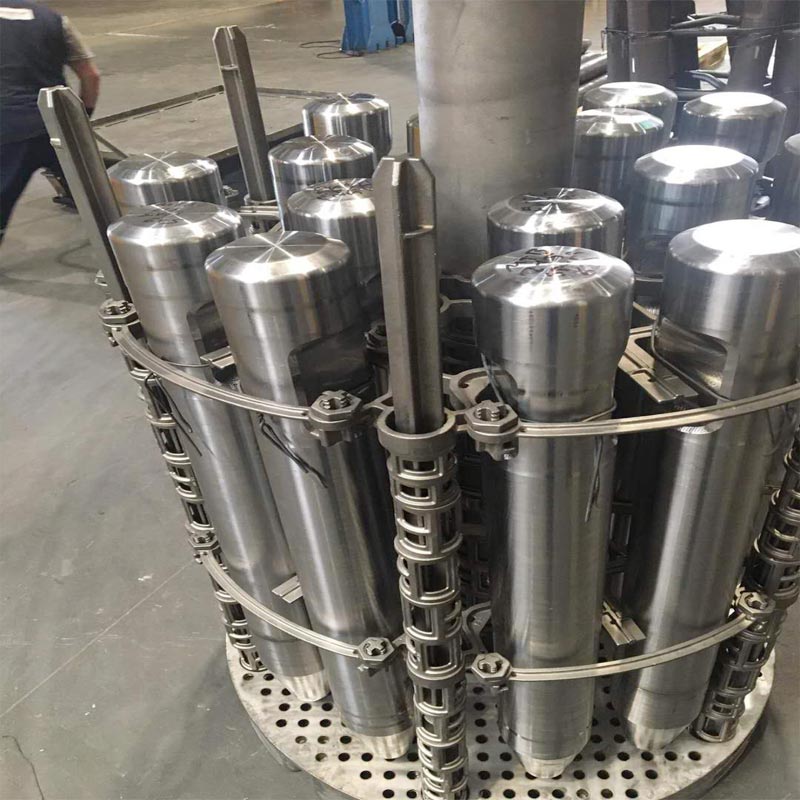
 Pit-type furnaces are widely used in industrial heat treatment processes, particularly for annealing, tempering, quenching, and carburizing large or heavy components. Known for their high efficiency, uniform heat distribution, and ability to handle bulky workpieces, pit-type furnaces are a staple in automotive, aerospace, and heavy machinery manufacturing.
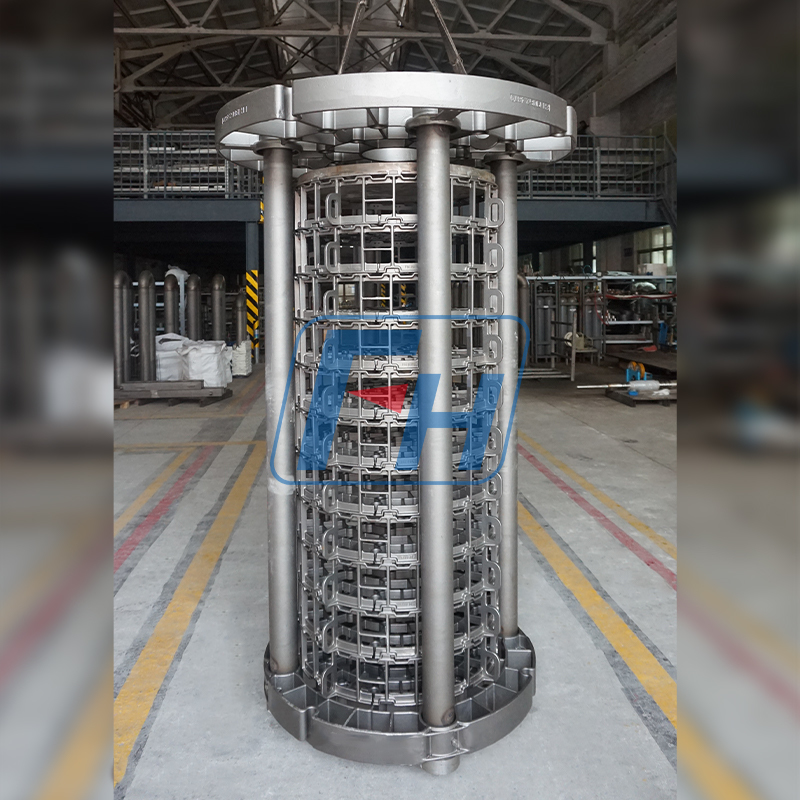
Operating a pit-type furnace safely and efficiently requires careful adherence to standard procedures. At Wuxi Junteng Fanghu Alloy Technology Co., Ltd., our FH® brand heat treatment fixtures are designed to make this process safer, more reliable, and cost-effective.
1. Pre-Operation Inspection
Before starting the furnace, a thorough inspection is essential to ensure safe and reliable operation:
A proper pre-operation inspection minimizes the risk of equipment failure, accidents, or inconsistent heat treatment results.
2. Loading the Furnace
Loading a pit-type furnace requires careful planning to ensure uniform heating and safety:
Correct loading is essential to achieve consistent heat penetration and prevent damage to the workpieces or furnace.
3. Heating Procedure
Once the furnace is loaded, the heating process begins:
FH® fixtures support even heat distribution, providing stable positioning of all workpieces during the heating process.
4. Soaking / Holding
After reaching the target temperature, the furnace enters the soaking phase:
5. Cooling / Quenching
The cooling method depends on the specific heat treatment process:
Proper cooling ensures desired material properties while minimizing the risk of cracks or distortion.
6. Unloading the Furnace
Once the cooling phase is complete:
Using FH® heat treatment fixtures ensures that workpieces remain stable during the entire cycle, minimizing handling risks.
7. Post-Operation Maintenance
Maintaining the furnace after each cycle ensures longevity and consistent performance:
Routine maintenance reduces equipment downtime and prolongs furnace service life.
8. Safety Considerations
Operating a pit-type furnace involves high temperatures and potentially hazardous materials:
Conclusion
Pit-type furnaces are powerful tools for precision heat treatment, but proper operation is key to achieving consistent results, safe working conditions, and long-term furnace reliability.
By following a structured operating procedure — including pre-inspection, careful loading, controlled heating and cooling, and post-operation maintenance — manufacturers can maximize efficiency, improve product quality, and reduce downtime.
With FH® Heat Treatment Fxitures from Wuxi Junteng Fanghu Alloy Technology Co., Ltd., you get stable, durable, and high-performance support for your pit furnace operations, ensuring uniform heating, minimal handling risk, and long service life.
Call to Action
Optimize your pit furnace operations with FH® Heat Treatment Fixtures from Wuxi Junteng Fanghu Alloy Technology Co., Ltd.. Contact us today for customized solutions that enhance efficiency, reduce downtime, and improve heat treatment results.
Technical Dept.
Harper
Email: harper@alloy-casting.com
Website: https://www.alloy-casting.com
Wuxi Junteng Fanghu Alloy Technology Co., Ltd.
Office Add: Room 1105,Building 6, Jiaye Wealth Center,Wuxi, Jiangsu, P.R.China P.C.:214000
Factory Add: No.26 Baoyuan road, Section B Yangjian Industrial Park, Wuxi, Jiangsu, P.R. China P.C.:214107
 CategoryRecent Post

Focus on Designing and Manufacturing Alloy Steel Parts since 2006
 Tel: 0510-83310100
  E-mail: info@alloy-casting.com
  Office Add: Room 1105,Building 6, Jiaye Wealth Center,Wuxi, Jiangsu, P.R.China P.C.:214000.
  Privacy

 English
 Español
 italiano
 Deutsch
 0086-13338774804
