

 English
 Español
 italiano
 Deutsch
 0086-13338774804


2.4879 P-Type Centrifugally Cast Radiant Tube
Product Overview
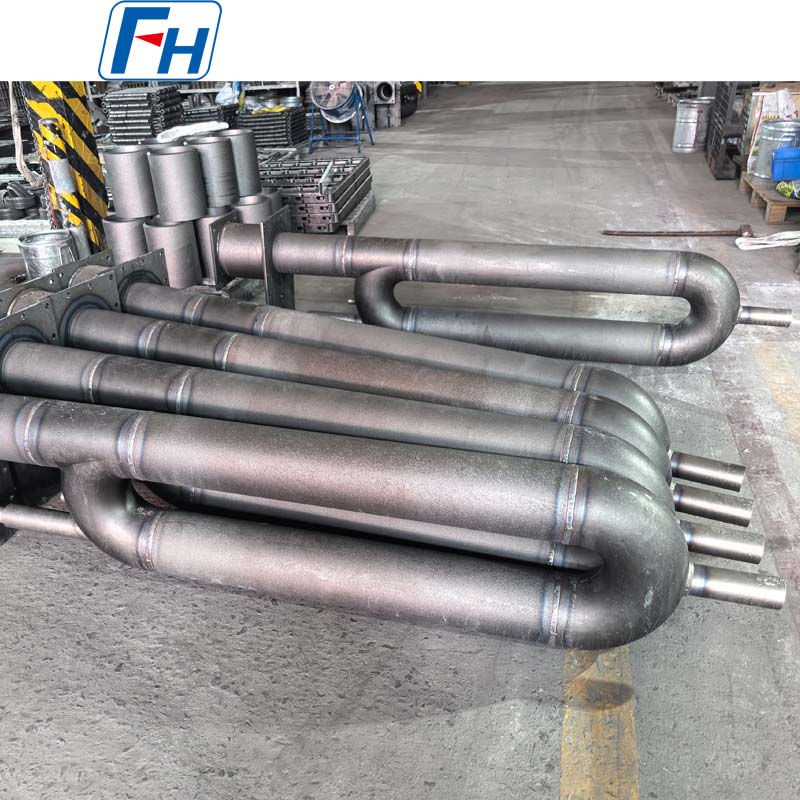
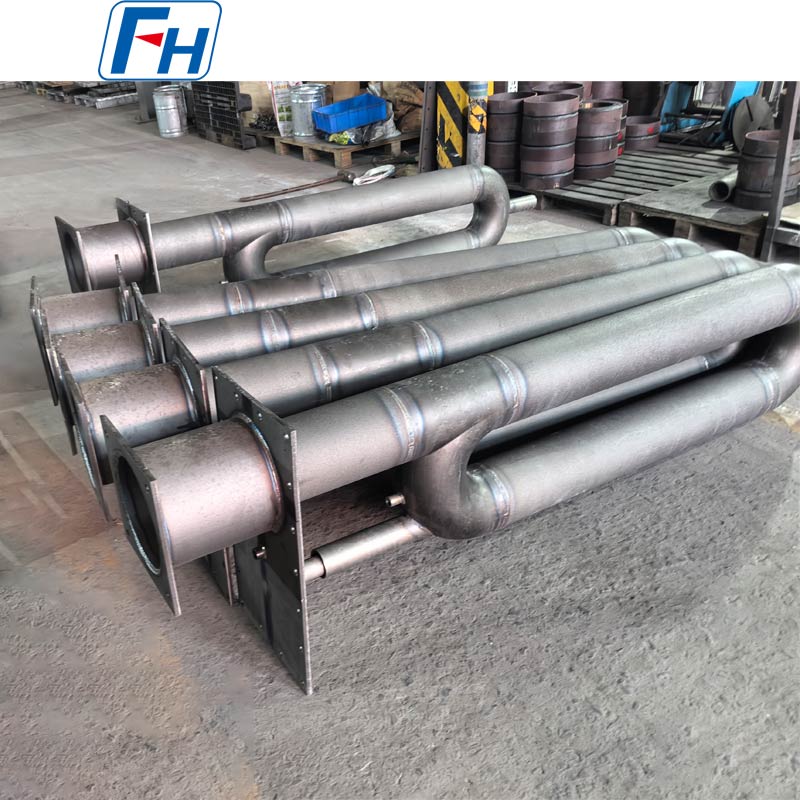
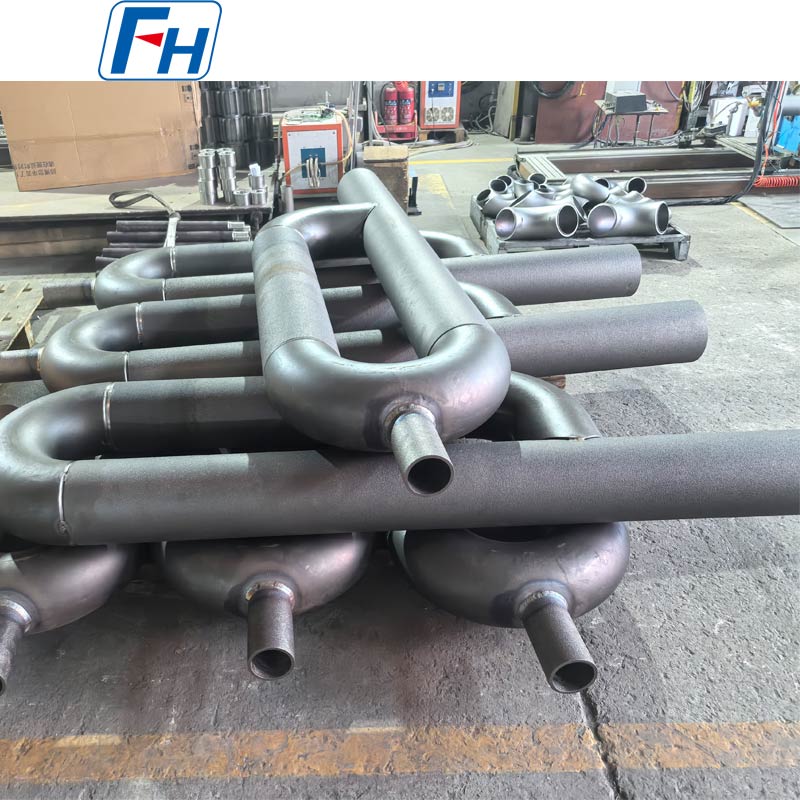
The FH® Alloy 2.4879 P-Type Centrifugally Cast Radiant Tube is a custom-manufactured indirect heating component designed for high-temperature industrial furnaces.
Its P-shaped return-flow structure provides an extended heat-transfer path within a compact installation area. Combustion takes place inside the radiant tube, while heat is transferred through the alloy tube wall and radiated into the furnace chamber. This separates the combustion gases from the furnace atmosphere and the processed workpieces.
P-type radiant tubes are commonly used in industrial furnace systems where controlled atmosphere, stable heat distribution, compact installation and single-side maintenance access are required. Radiant tubes are particularly important in continuous annealing and galvanizing furnace systems because they isolate the combustion process from the protective furnace atmosphere.
Manufactured from EN 2.4879 G-NiCr28W, this radiant tube is suitable for demanding applications involving elevated temperatures, thermal cycling, oxidation and prolonged mechanical loading.
Key Product Advantages
High-Performance 2.4879 Nickel-Based Cast Alloy
EN 2.4879 is a heat-resistant nickel-chromium-tungsten cast alloy developed for highly loaded furnace components.
Its principal advantages include:
- High creep strength at elevated temperatures
- Good resistance to oxidation and scaling
- Strong resistance to static and dynamic thermal loading
- Reliable dimensional stability during prolonged furnace operation
- Good performance under repeated heating and cooling cycles
- Suitable strength for large and mechanically loaded radiant tube assemblies
The high nickel content supports a stable austenitic structure, while chromium contributes oxidation resistance and tungsten improves elevated-temperature strength and creep performance.
Centrifugally Cast Tube Sections
The straight tube sections are produced by centrifugal casting.
During centrifugal casting, molten alloy is introduced into a rotating mould. Centrifugal force distributes the metal against the mould wall, supporting the production of tubular components with:
- Dense cast structure
- Consistent circumferential wall formation
- Good high-temperature load-bearing capability
- Reduced internal shrinkage compared with unsuitable conventional casting methods
- Machinable inner and outer surfaces
- Suitability for long furnace tube sections
After casting, the tube sections can be machined, cut and assembled with cast bends, mounting plates and burner-side components.
Compact P-Type Configuration
The P-shaped configuration increases the effective radiant surface within a limited furnace installation area.
Its structural benefits include:
- Extended hot-gas travel path
- Compact furnace arrangement
- Large external radiating surface
- Flexible burner and exhaust arrangement
- Convenient integration with furnace wall mounting plates
- Suitability for custom furnace layouts
- Easier replacement during scheduled furnace maintenance
The geometry, bend radius and tube spacing are manufactured according to the customer’s furnace drawing rather than fixed standard dimensions.
Controlled Indirect Heating
In a gas-fired radiant tube system, the burner flame and combustion gases remain inside the tube. The external tube surface transfers heat to the furnace chamber primarily by radiation, while the workpieces are not directly exposed to the burner flame.
This heating method supports:
- Controlled protective atmospheres
- Reduced contamination from combustion products
- More stable process conditions
- Lower risk of direct flame impingement on the workpiece
- Consistent annealing and heat treatment quality
- Better separation between combustion and process atmospheres
Custom Flange and Connection Design
As shown in the reference product, FH® Alloy can supply the P-type radiant tube as a complete welded assembly with a furnace mounting plate.
Available connection options include:
- Square or rectangular mounting plates
- Custom bolt-hole patterns
- Burner mounting sleeves
- Exhaust connections
- Support shafts
- Machined collars
- Weld-prepared tube ends
- Sealing structures
- Insulation retainers
- Custom reinforcement components
The flange and tube assembly can be supplied ready for installation according to the furnace OEM drawing.
Technical Specifications
| Item | Available Specification |
| Product Name | P-Type Centrifugally Cast Radiant Tube |
| Material | 2.4879 |
| Material Designation | ZG40Cr28Ni48W5 |
| Alloy Type | Heat-resistant nickel-chromium-tungsten cast alloy |
| Tube Structure | P-Type / Return-Flow Radiant Tube |
| Straight Sections | Centrifugally cast |
| Bend Components | Cast and welded according to design |
| Mounting Plate | Carbon steel, stainless steel or heat-resistant alloy |
| Outside Diameter | Customized according to drawing |
| Wall Thickness | Customized according to operating conditions |
| Overall Length | Customized |
| Bend Radius | Customized |
| Tube Center Distance | Customized |
| Installation Orientation | Horizontal, vertical or engineered layout |
| Heating Method | Indirect gas-fired heating |
| Surface Condition | As-cast, shot-blasted or machined |
| Operating Temperature | Application-dependent; material reference limit in air up to approximately 1150°C |
| Inspection | Chemical, dimensional, visual and optional NDT |
| OEM Production | Available |
The approximately 1150°C maximum reference temperature in air is a material-level value, not a guaranteed radiant-tube operating temperature. Allowable tube-wall temperature depends on the combustion system, hot spots, furnace atmosphere, thermal stress, support design and required service life.
Chemical Composition of 2.4879
| GB | DIN | ASTM | JIS | Chemical Composition % | ||||||||
| C | Si | Mn | Cr | Ni | Mo | W | P | S | ||||
| ZG40Cr28Ni48W5 | 2.4879 | NC11 | SCH42 | 0.35-0.55 | 1.00-2.00 | ≤1.50 | 27.00-30.00 | 47.00-50.00 | ≤0.50 | 4.00-6.00 | ≤0.04 | ≤0.03 |
Typical Applications
FH® Alloy 2.4879 P-type radiant tubes can be manufactured for:
- Continuous annealing furnaces
- Galvanizing lines
- Steel-strip processing furnaces
- Heat treatment furnaces
- Roller hearth furnaces
- Protective-atmosphere furnaces
- Bright annealing furnaces
- Normalizing furnaces
- Tempering furnaces
- Industrial gas-fired heating systems
- Furnace modernization projects
- Replacement of discontinued OEM radiant tubes
P-type radiant tubes have been studied and used in indirect-fired vertical strip annealing furnaces, including systems equipped with self-recuperative burners.
Manufacturing Process
1. Drawing and Operating-Condition Review
Before production, FH® reviews:
- Overall furnace layout
- Burner type and burner capacity
- Required tube-wall temperature
- Furnace operating temperature
- Combustion atmosphere
- Process-side atmosphere
- Installation orientation
- Tube support positions
- Thermal-expansion direction
- Existing failure mode
- Required service life
This step helps determine whether 2.4879 is appropriate and whether any structural modifications are recommended.
2. Centrifugal Casting
The straight tube bodies are centrifugally cast according to the required outside diameter and wall thickness.
Key process controls include:
- Alloy charge calculation
- Melt-temperature control
- Chemical composition verification
- Mould rotation control
- Pouring control
- Cooling and solidification management
- Allowance for subsequent machining
3. Bend and Connection Production
Return bends, transition sections and burner-side components are produced according to the product geometry.
Depending on the design, these parts may be manufactured by:
- Static casting
- Precision casting
- Machining
- Fabrication from compatible alloy components
4. Machining and Fit-Up
Connection areas are machined to achieve accurate assembly dimensions.
Machining may include:
- Tube-end facing
- Outside-diameter machining
- Inside-diameter machining
- Weld preparation
- Flange machining
- Bolt-hole drilling
- Support-shaft machining
- Alignment feature preparation
5. Controlled Welding
The straight sections, elbows and connection components are assembled using jigs to control alignment and tube-center distance.
For 2.4879, welding procedures and filler selection must be confirmed according to the base material and service conditions.
6. Final Inspection
After welding and finishing, the completed assembly is checked against the approved drawing before packaging.
Material Selection Notice
Although 2.4879 provides strong high-temperature performance, material selection must consider the complete furnace environment.
The alloy is generally suitable for highly loaded furnace components in air and oxidizing gases. However, published foundry guidance states that it is not recommended for reducing gases containing H₂S. Sulfur content, reducing conditions, burner chemistry and process gases should therefore be disclosed before ordering.
For special atmospheres, FH® Alloy can review alternative materials based on:
- Oxidation severity
- Carburizing potential
- Sulfur concentration
- Hydrogen content
- Chloride contamination
- Temperature cycling
- Mechanical loading
Why Choose FH® Alloy
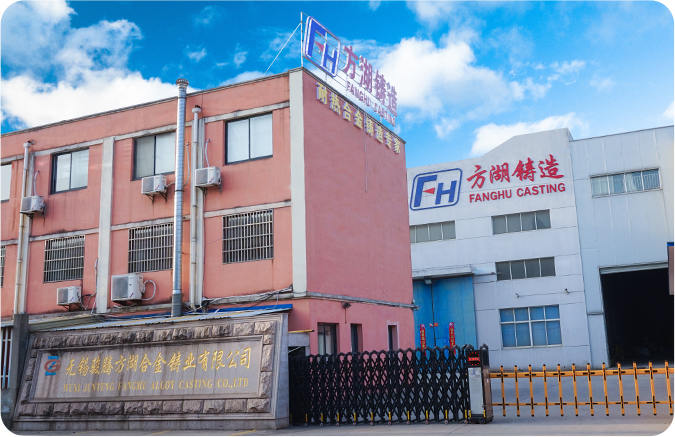
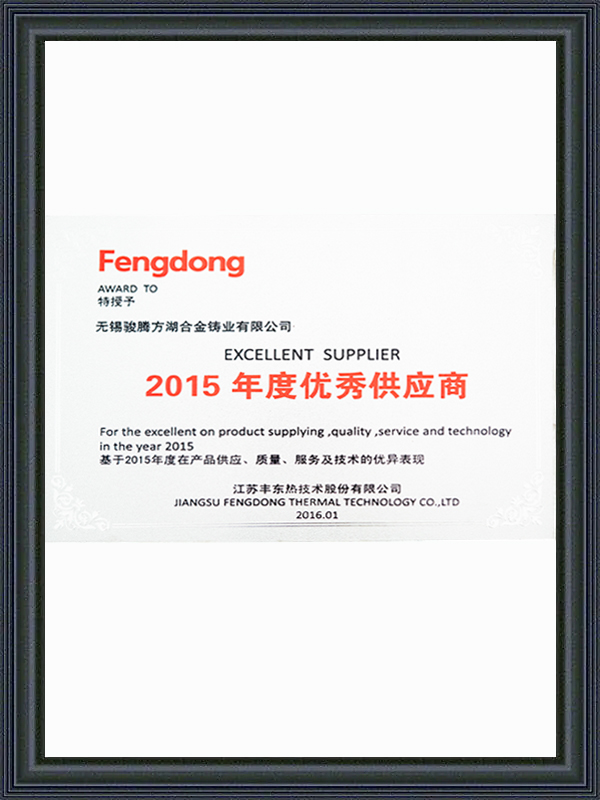
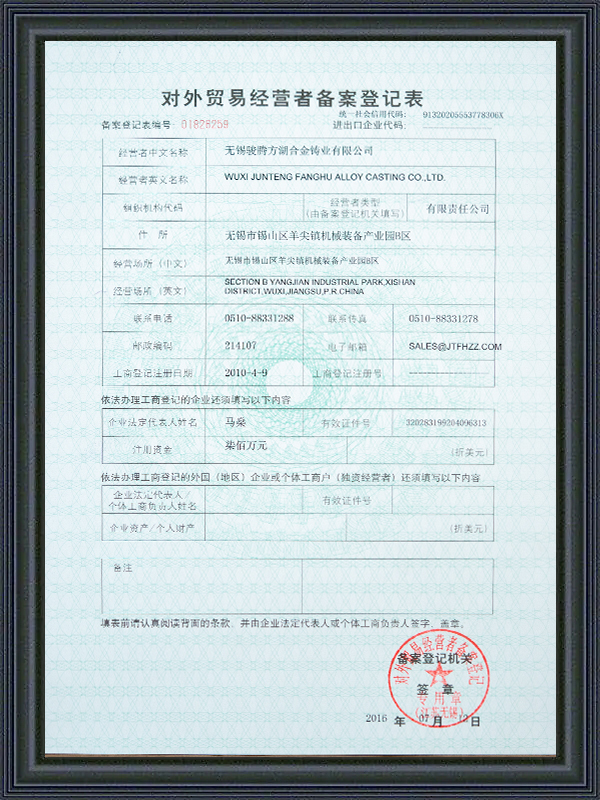
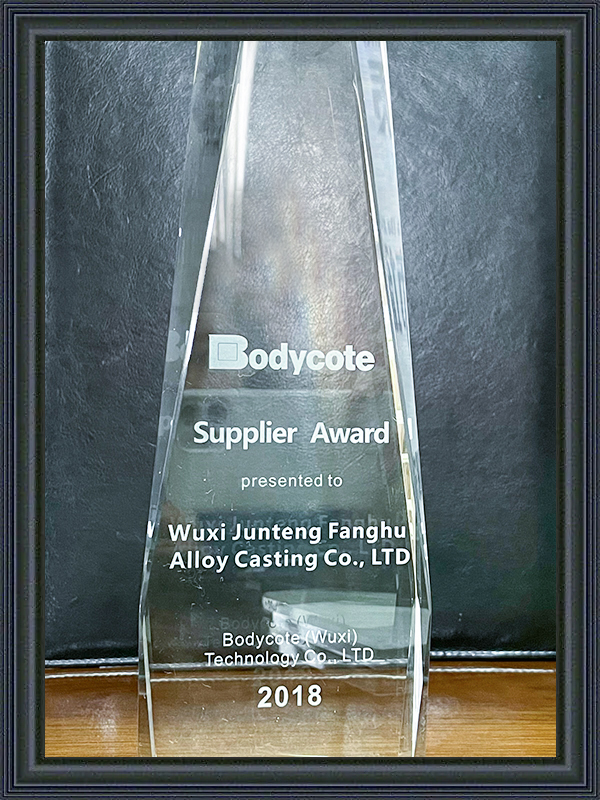
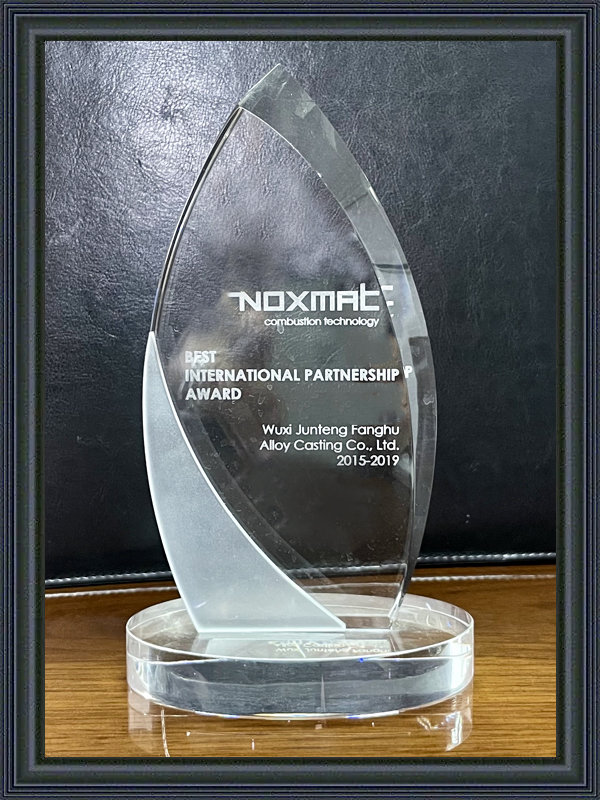
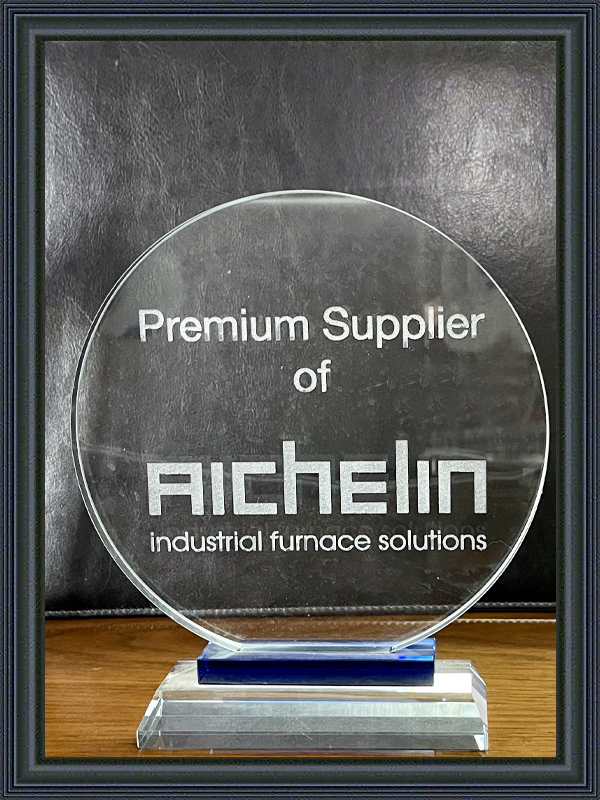
Wuxi Junteng Fanghu Alloy Technology Co., Ltd. manufactures custom heat-resistant alloy components for industrial furnace and heat treatment applications.
FH® Alloy provides:
- Custom manufacturing from customer drawings
- Centrifugally cast tube production
- Heat-resistant alloy casting
- Cast elbow manufacturing
- Precision machining
- Controlled welding and assembly
- Complete mounting-plate integration
- Replacement production from samples
- Small-batch and project production
- International export packaging
- Technical communication for furnace maintenance projects
Available radiant tube configurations include:
- Straight radiant tubes
- U-type radiant tubes
- W-type radiant tubes
- P-type radiant tubes
- Double-P radiant tubes
- Serpentine radiant tubes
- Custom multi-bend radiant tubes
FAQ
Q1: What is a P-type radiant tube?
A P-type radiant tube is an indirect-fired furnace heating component with a return-flow geometry resembling the letter P. The design provides an extended gas path and radiant surface within a compact furnace arrangement.
Q2: Why use centrifugal casting for the straight tube sections?
Centrifugal casting is well suited to tubular high-temperature components. It supports a dense cast structure, controlled tubular geometry and good load-bearing performance for long furnace tube sections.
Q3: Can FH® manufacture according to an existing furnace drawing?
Yes. FH® can manufacture complete P-type radiant tube assemblies according to drawings, samples or measured replacement dimensions.
Q4: Can you supply the mounting flange with the radiant tube?
Yes. Mounting plates, burner sleeves, exhaust connections, support shafts and sealing structures can be incorporated into the completed assembly.
Q5: Can only the centrifugally cast straight section be supplied?
Yes. FH® can supply individual centrifugal cast tubes, bends, connection components or complete welded radiant tube assemblies.
Q6: What inspections are available?
Chemical analysis, dimensional inspection, wall-thickness testing, penetrant testing, radiographic inspection and leakage testing can be arranged according to the customer’s specification.
Q7: Is 2.4879 suitable for sulfur-containing atmospheres?
The complete gas composition must be reviewed. 2.4879 is not suitable for reducing gases containing H₂S.
Request a Custom Quote
Send Us Your P-Type Radiant Tube Drawing
FH® manufactures custom 2.4879 centrifugally cast P-type radiant tubes for furnace manufacturers, steel-processing plants, heat treatment companies and maintenance contractors.
Send us your drawing, dimensions, operating temperature, furnace atmosphere and required quantity for technical review and quotation.
Recommended CTA Buttons
Request a Custom Quote
Send Your Radiant Tube Drawing
Get Material Selection Support
Ask About Replacement Radiant Tubes


 Tel: 0510-83310100
  E-mail: info@alloy-casting.com
  Add: Room 1105,Building 6, Jiaye Wealth Center,Wuxi, Jiangsu, P.R.China P.C.:214000.