
 English
 Español
 italiano
 Deutsch
 0086-13338774804

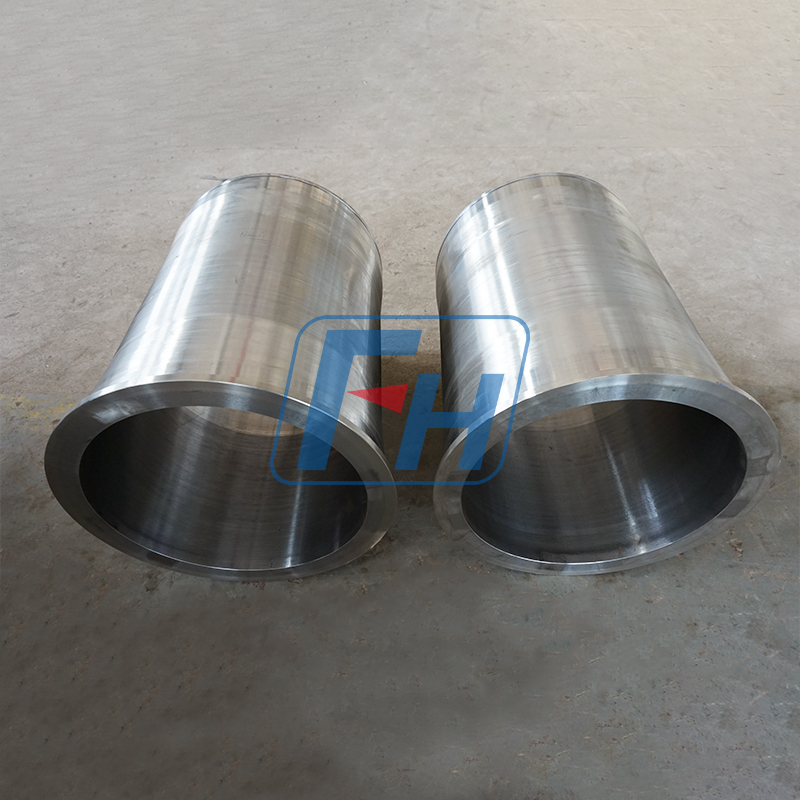
Brand: FH® Certification: ISO9001, ISO14001 Material: Heat-resistant Steel Material Grade: DCH27 Siz...
See Details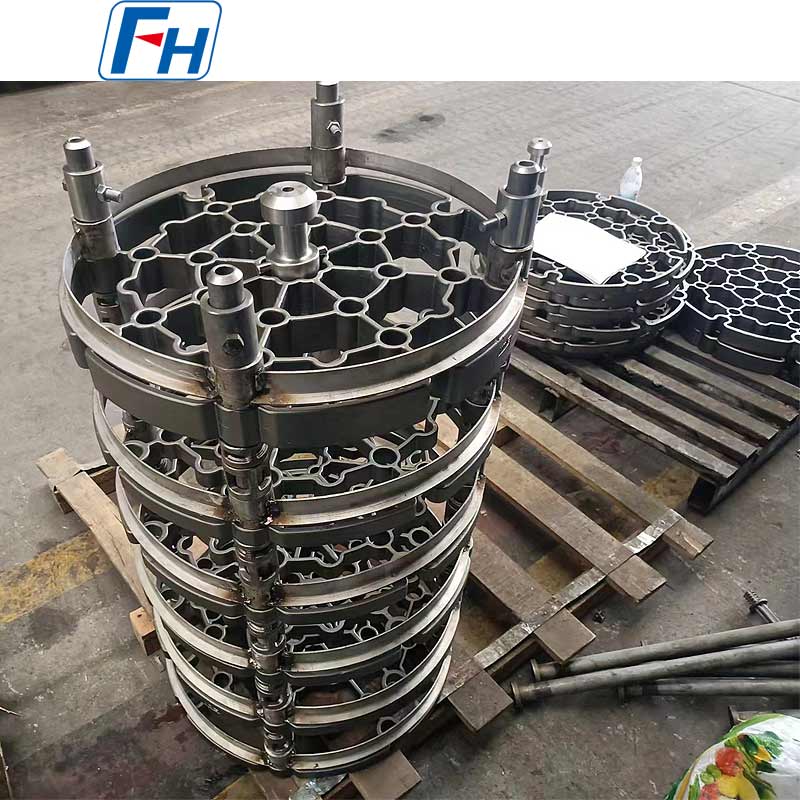
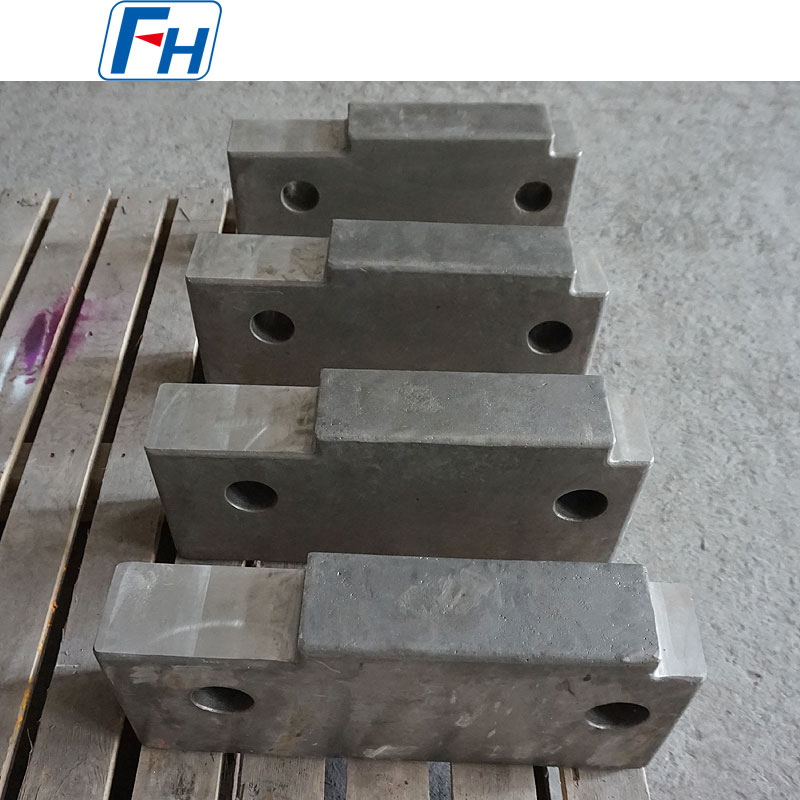
Brand: FH® Certification: ISO9001, ISO14001 Material: Heat-resistant Steel Material Grade: 1.4849 Si...
See Details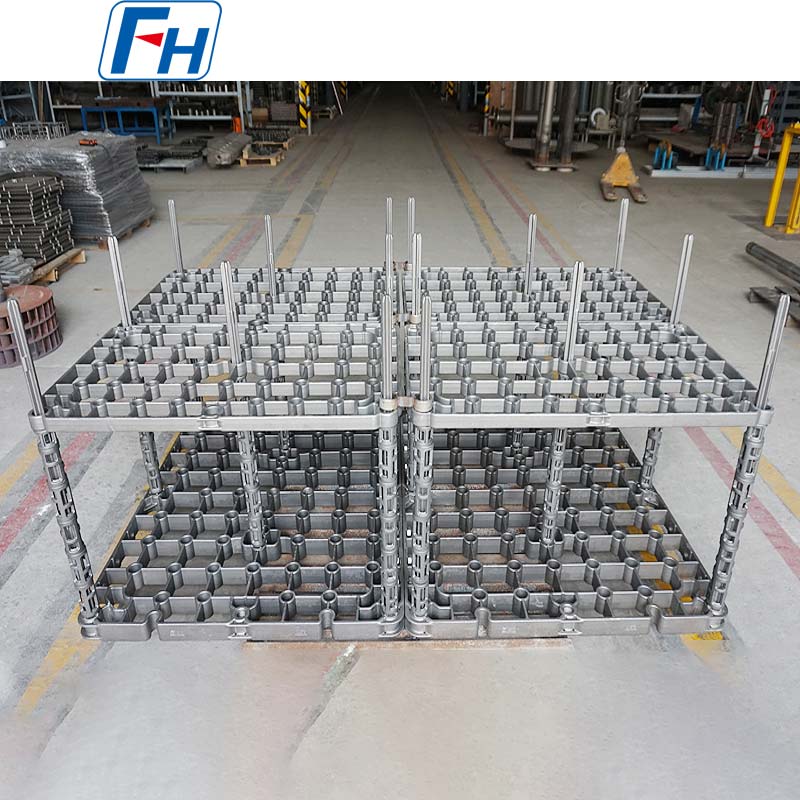
Brand: FH® Certification: ISO9001, ISO14001 Material: Heat-resistant Steel Material Grade: 2.4879 Si...
See Details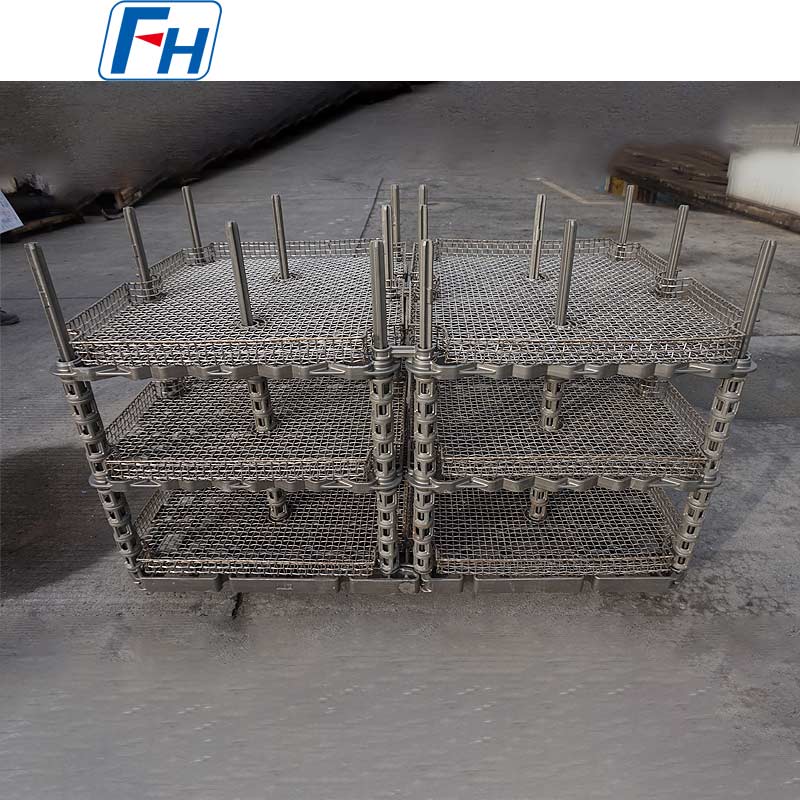
Brand: FH® Certification: ISO9001, ISO14001 Material: Heat-resistant Steel Material Grade: 1.4848 Si...
See Details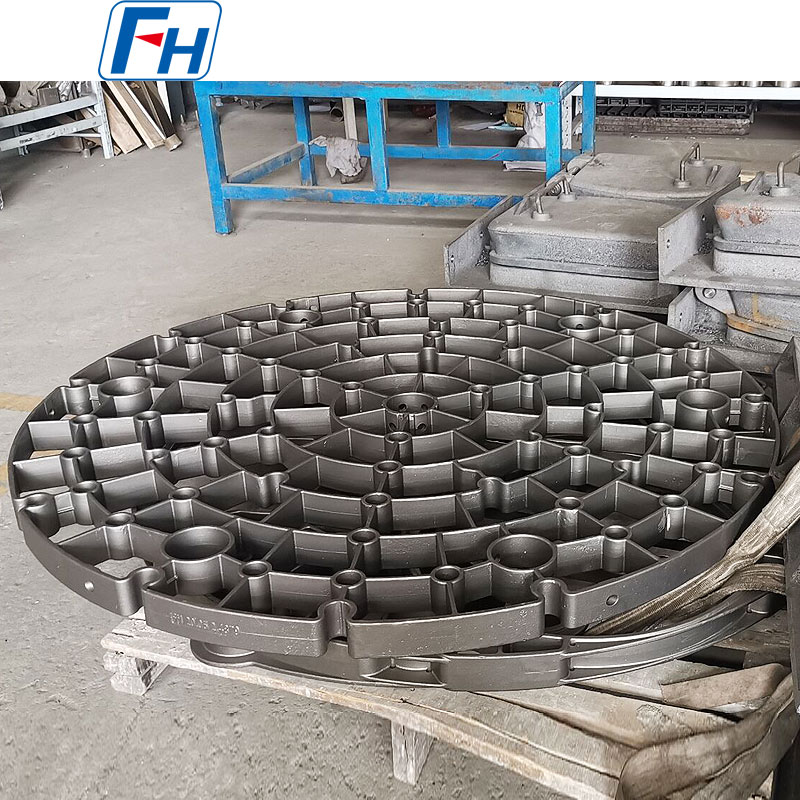
Brand: FH® Certification: ISO9001, ISO14001 Material: Heat-resistant Steel Material Grade: 1.4849/ Z...
See Details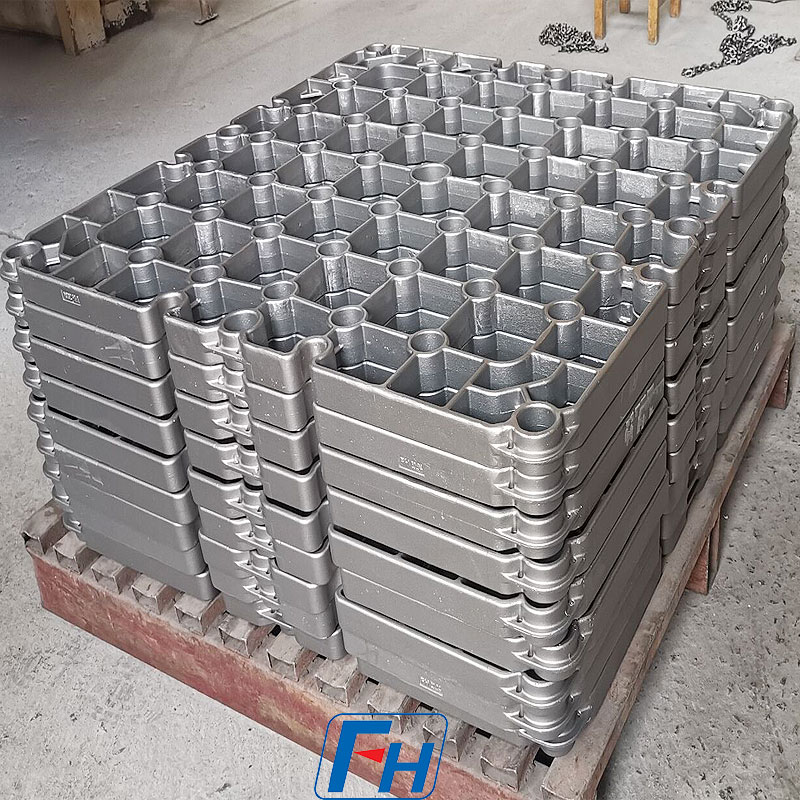
Brand: FH® Certification: ISO9001, ISO14001 Material: Heat-resistant Steel Material Grade: 2.4879/ S...
See Details

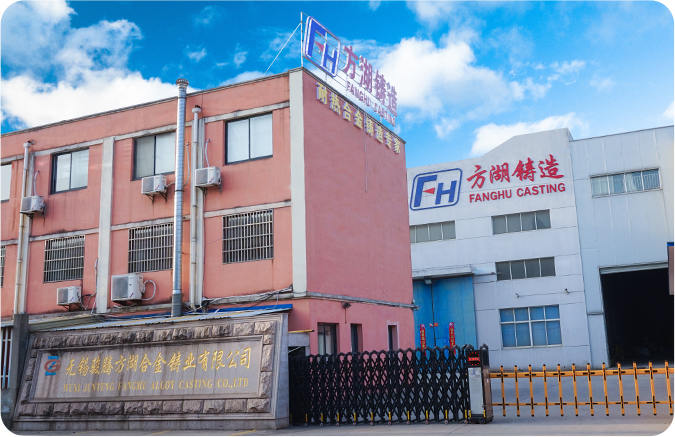
Established in
Export Countries
Monthly Production Capacity
Employees
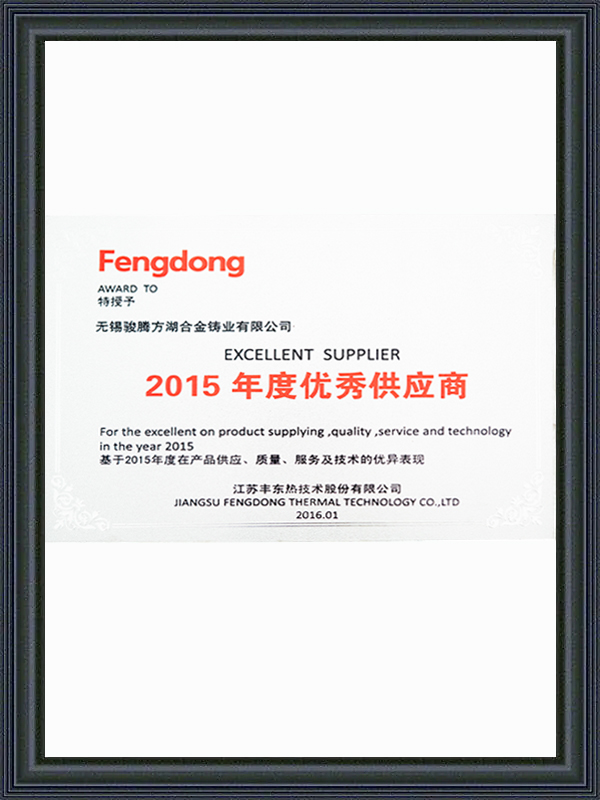
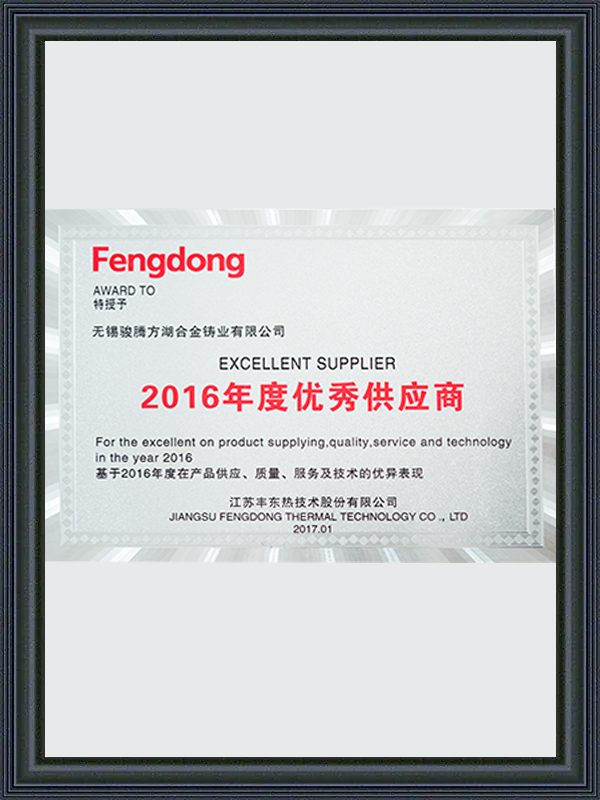
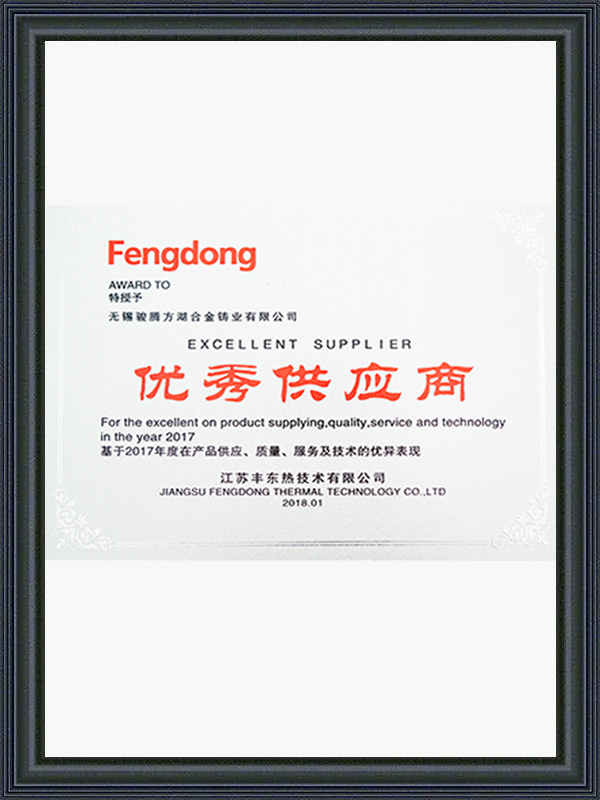
Custom Cast Heat Treatment Baskets with Grid Trays and Wire Mesh for an Italian CustomerCustomer Case Study | Wuxi Junteng Fanghu Alloy Technology Co., Ltd. (FH® Alloy)Project Over...
READ MORECustom Tray Fixture System for Continuous Pusher Furnace Gear Heat TreatmentCustomer Case Study | Engineering Design, Drawing Approval, Manufacturing & DeliveryProduct: Custom ...
READ MORECustom 2.4879 Vacuum Furnace Heat Treatment Trays for a Slovenian CustomerCustomer Case Study | Structural Redesign, Manufacturing & DeliveryCustomer Location: SloveniaProduct:...
READ MORECustomer Case Study | Engineering Design, Manufacturing, Inspection & DeliveryCustomer Location: FranceProduct: Custom Heat Treatment BasketMaterial: 1.4849 Heat-Resistant Stai...
READ MOREHow does high chromium content improve the wear resistance of high Cr casting wear resistant liners?
1. Formation of hard carbides: In high-chromium cast iron, chromium and carbon form a large number of fine and extremely hard carbides (such as (Cr,Fe)₂C₃). These carbides act as a "grit" barrier under abrasive action, significantly reducing the material's wear rate.
2. Microstructure optimization: An appropriate chromium content (10%~26%) can form a dense three-phase structure of martensite + carbides + a small amount of austenite in the matrix, achieving an overall hardness of HRC52~65, resulting in wear resistance several times higher than ordinary alloy steel.
3. Cost-performance balance: Studies show that a chromium content of about 10% is sufficient to balance wear resistance and cost. While further increasing the chromium content can further improve hardness, the cost increases significantly. Companies can flexibly choose the appropriate chromium content based on the application environment.
4. Company Advantages: Wuxi Junteng Fanghu Alloy Technology Co., Ltd. has focused on the research and development of high-chromium wear-resistant liners since 2006. It possesses a complete high-chromium alloy formula library and mature casting technology, enabling it to provide customized products with different hardness grades ranging from 12% to 26% Cr, ensuring excellent wear resistance even under high-temperature and high-impact conditions.
Why is heat treatment necessary?
1. Improved Hardness and Wear Resistance: Quenching heats the casting to the austenitic region and then rapidly cools it, transforming the microstructure into martensite or lower bainite, significantly increasing surface hardness and thus enhancing wear resistance.
2. Relief of Internal Stress and Reduction of Brittleness: After quenching, high internal stress remains in the material. Tempering, held at a temperature below AC1, releases this stress and reduces brittleness, making the parts less prone to cracking under impact loads.
3.Stable Structure and Dimensional Control:Tempering refines martensite and adjusts carbide distribution, resulting in a more uniform microstructure and ensuring dimensional and shape stability after heat treatment, preventing deformation during use.
4.Company Advantages:Our company has a complete heat treatment workshop, enabling us to provide precise quenching-tempering processes for high-chromium wear-resistant liners. This ensures a hardness of HRC55-65 and internal stress below 30MPa, significantly extending the liner's service life and reducing maintenance costs.

Focus on Designing and Manufacturing Alloy Steel Parts since 2006
 Tel: 0510-83310100
  E-mail: info@alloy-casting.com
  Add: Room 1105,Building 6, Jiaye Wealth Center,Wuxi, Jiangsu, P.R.China P.C.:214000.
  Privacy