
 English
 Español
 italiano
 Deutsch
 0086-13338774804
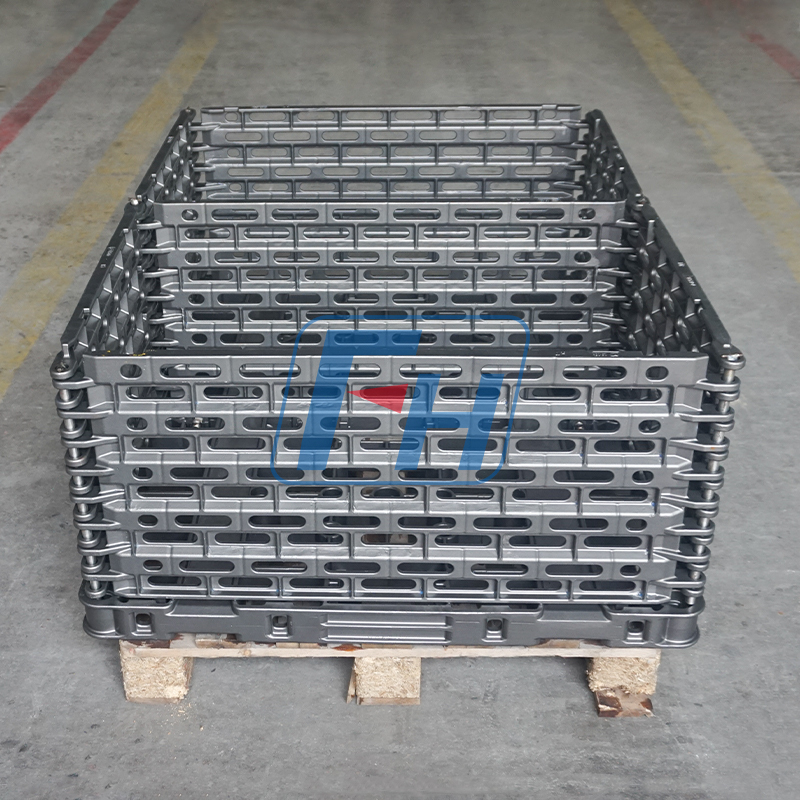

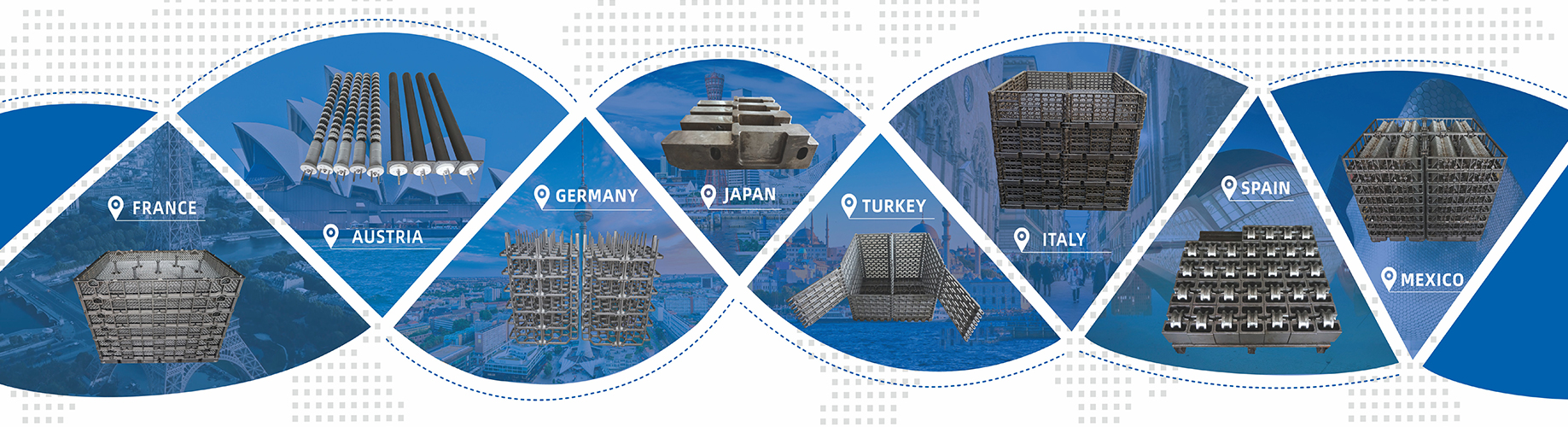
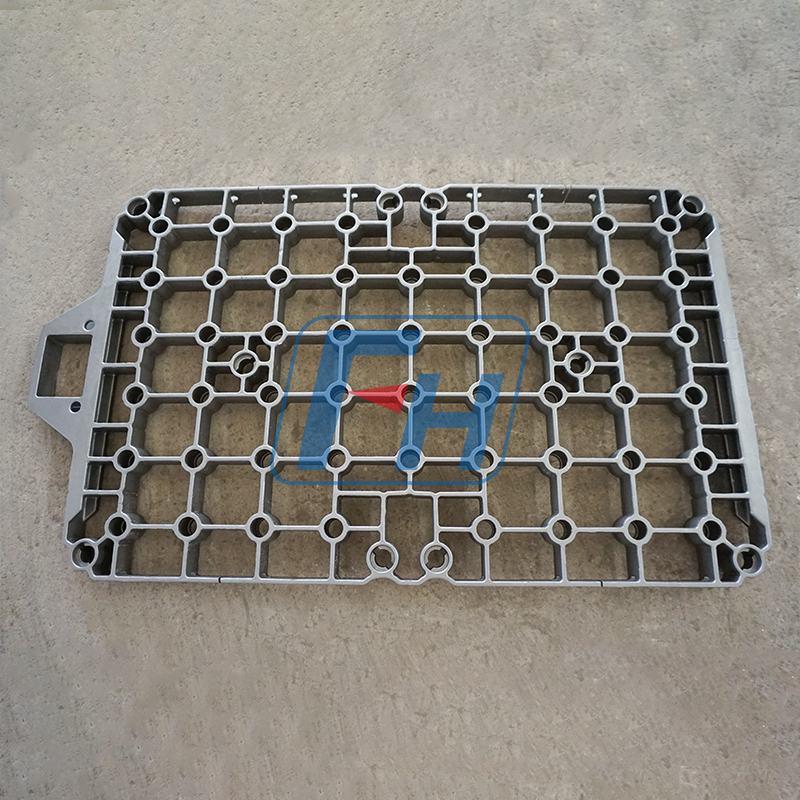
Powering precision and durability in the most demanding industrial environments, FH Heat Treatment Trays are engineered to excel across a wide range of furnaces—including Chamber, Pusher, Vacuum, Pit, and Bell Furnaces, such as Ipsen, Aichelin, ECM, KGO, NITRIX, AFC, IVA-SCHEMTZ, CODERE, MATTASA and ect.
FH casting tray is meticulously produced using advanced lost-wax casting technology, guaranteeing exceptional surface quality and flatness. Our proprietary heat-resistant alloys are custom-formulated to withstand extreme temperatures, rapid thermal cycling, and corrosive environments,
At FH, our mission is to revolutionize heat treatment efficiency. We combine cutting-edge metallurgical expertise with decades of industry experience to deliver trays that:
Why Choose FH Heat Treatment Trays?
Industry-Leading Standard Trays
Leverage 20+ years of R&D with our globally trusted base trays. Pre-engineered for compatibility with all major furnace models, they eliminate tooling costs and accelerate deployment—ideal for rapid replacements or scalable operations.
Tailored Solutions, Engineered to Your Specs
Our engineers collaborate with you to design fully customized trays, optimizing:
Upgrade Your Thermal Processing Today
Whether you’re replacing worn trays or designing a new one, FH delivers faster lead times, superior metallurgy, and cost-per-cycle savings that outperform competitors.
Contact our engineering team for a free consultation—let’s craft your ideal heat treatment solution.

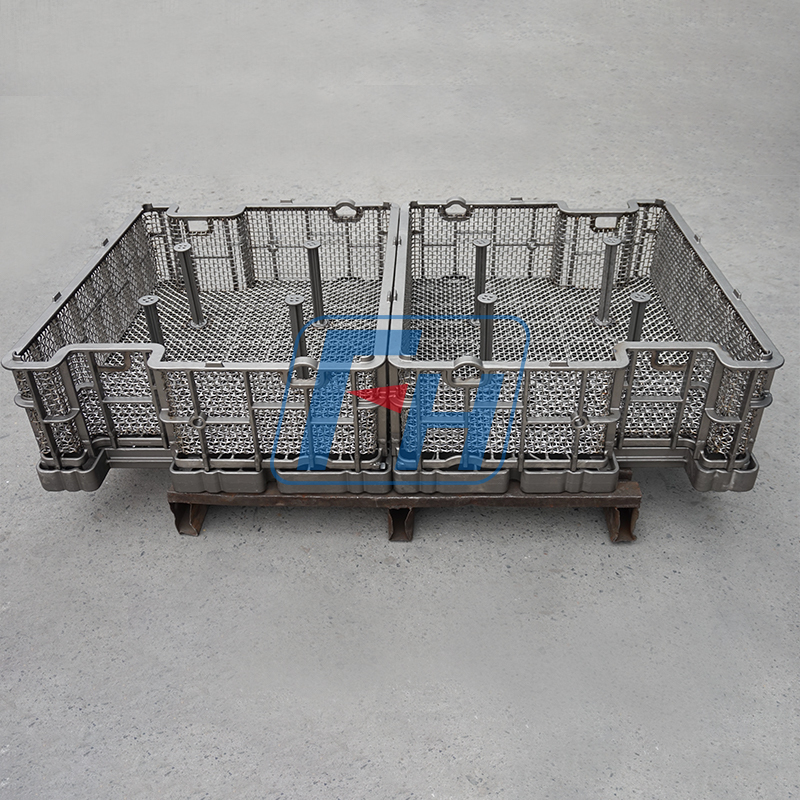
Powering precision and durability in the most demanding industrial environments, FH Heat Treatment T...
See Details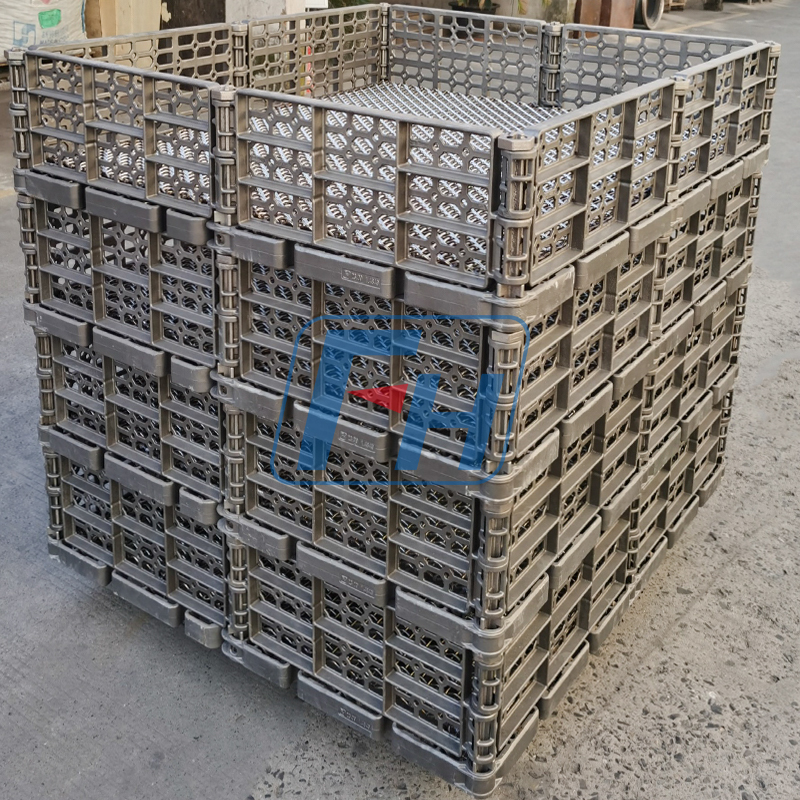
Powering precision and durability in the most demanding industrial environments, FH Heat Treatment T...
See Details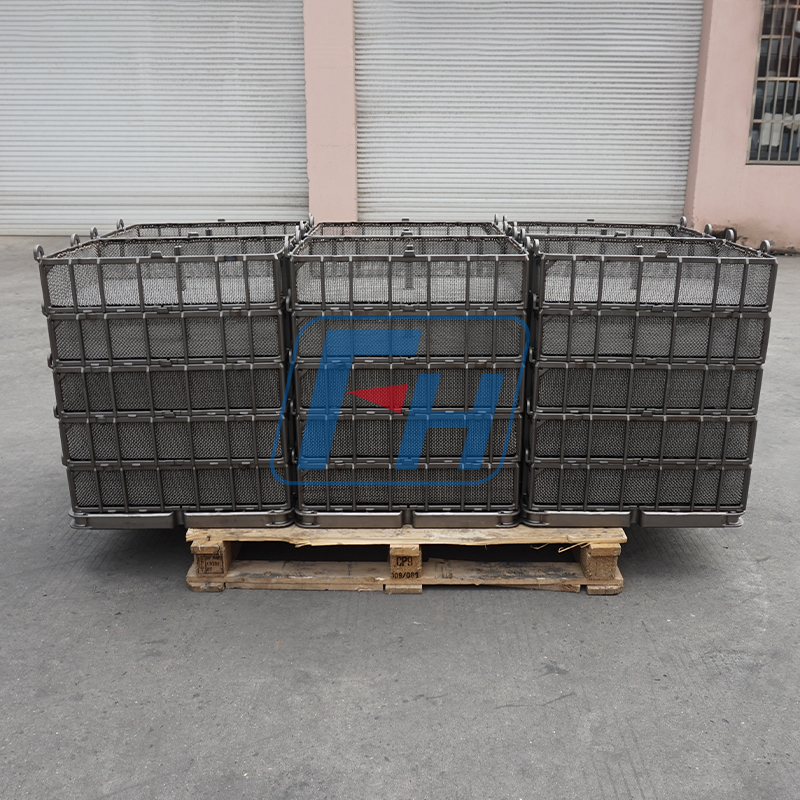
Powering precision and durability in the most demanding industrial environments, FH Heat Treatment T...
See Details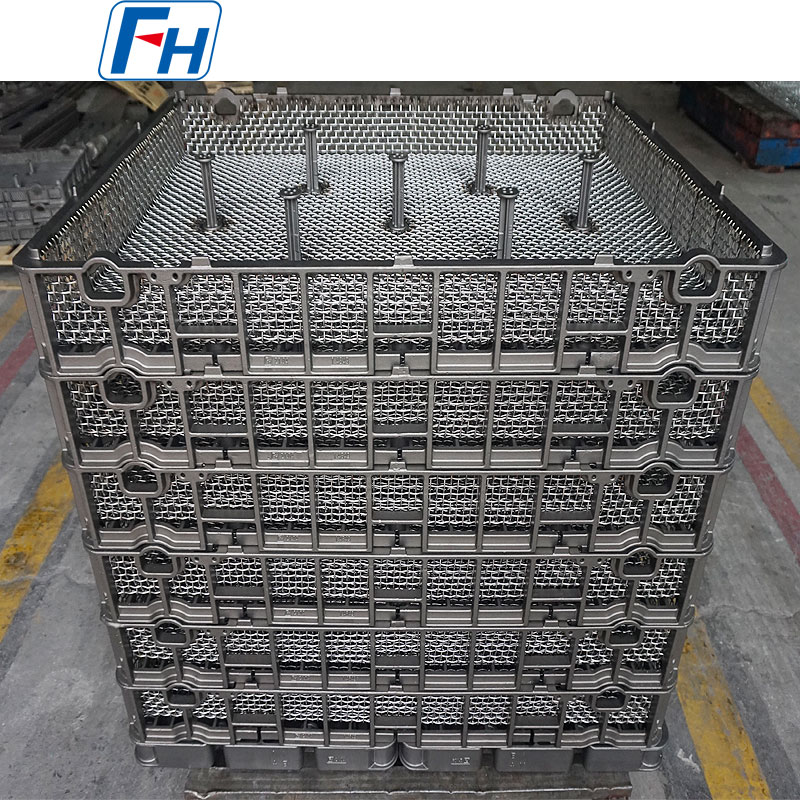
Brand: FH® Certification: ISO9001, ISO14001 Material: Heat-resistant Steel Material Grade: 1.4849 Si...
See Details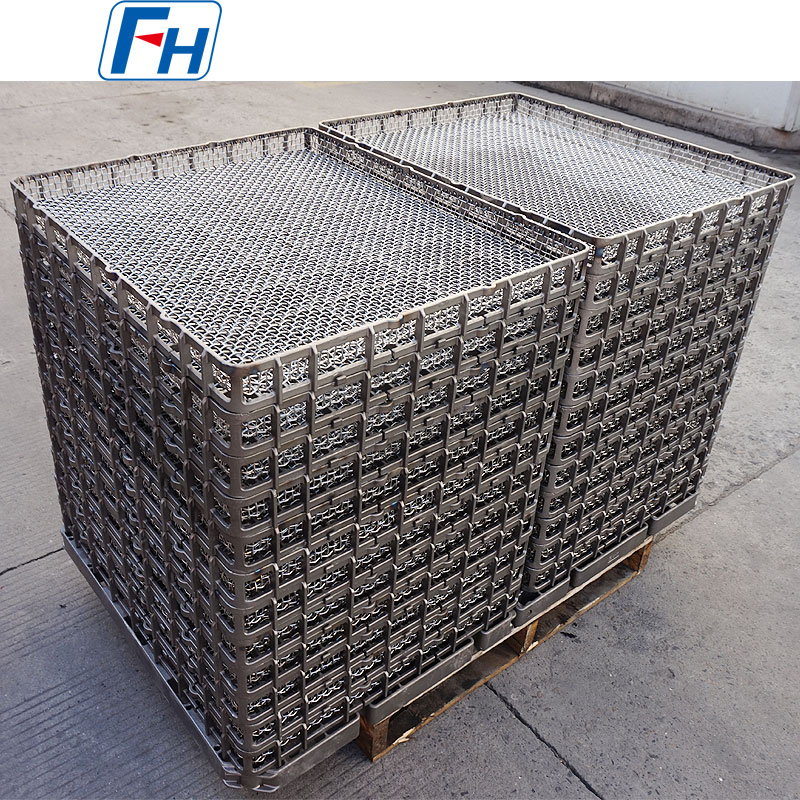
Brand: FH® Certification: ISO9001, ISO14001 Material: Heat-resistant Steel Material Grade: 1.4848 HK...
See Details
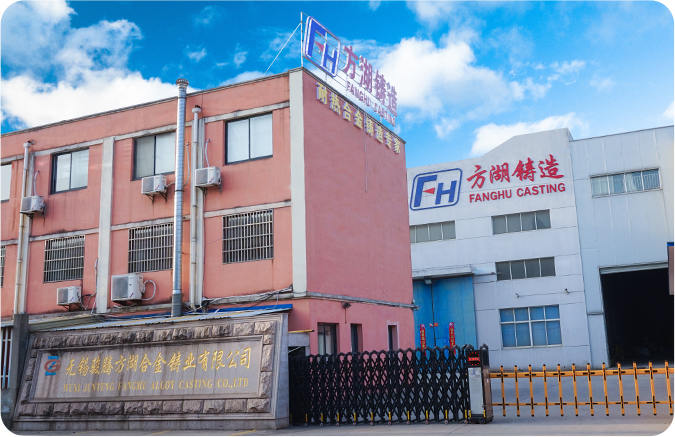
Established in
Export Countries
Monthly Production Capacity
Employees
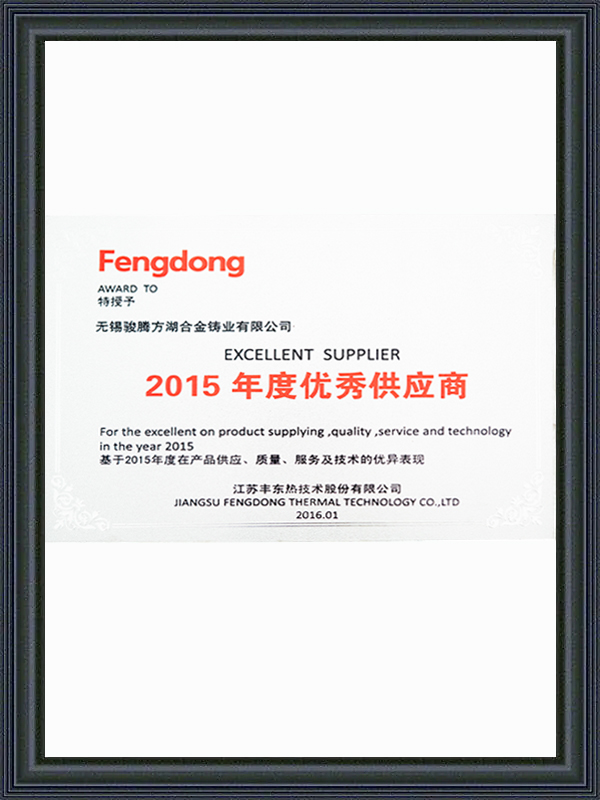
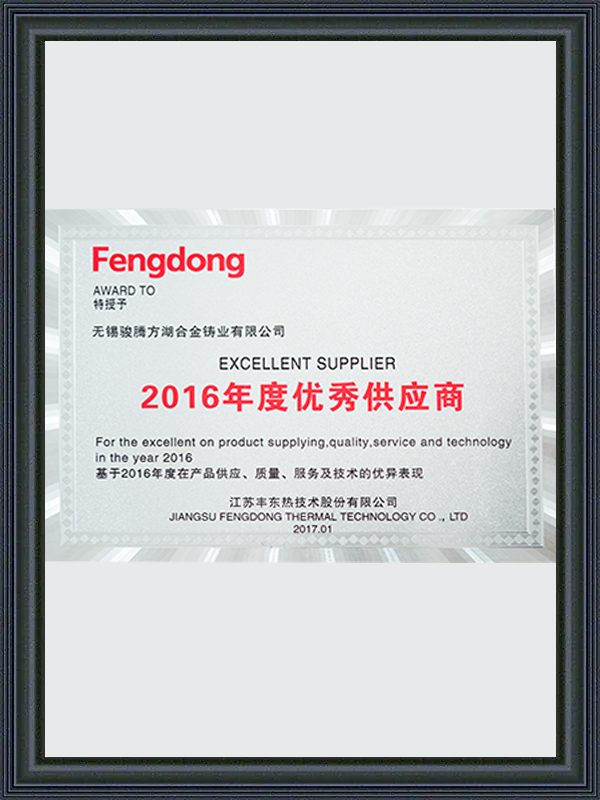
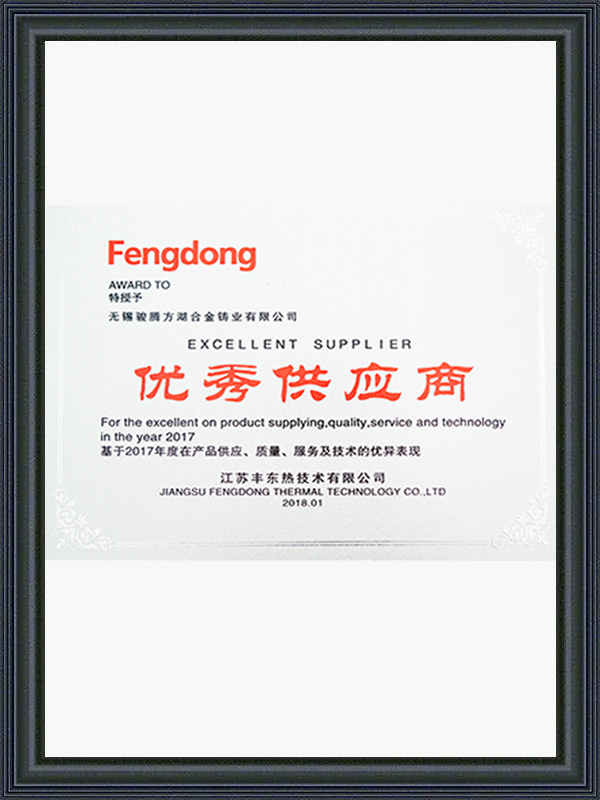

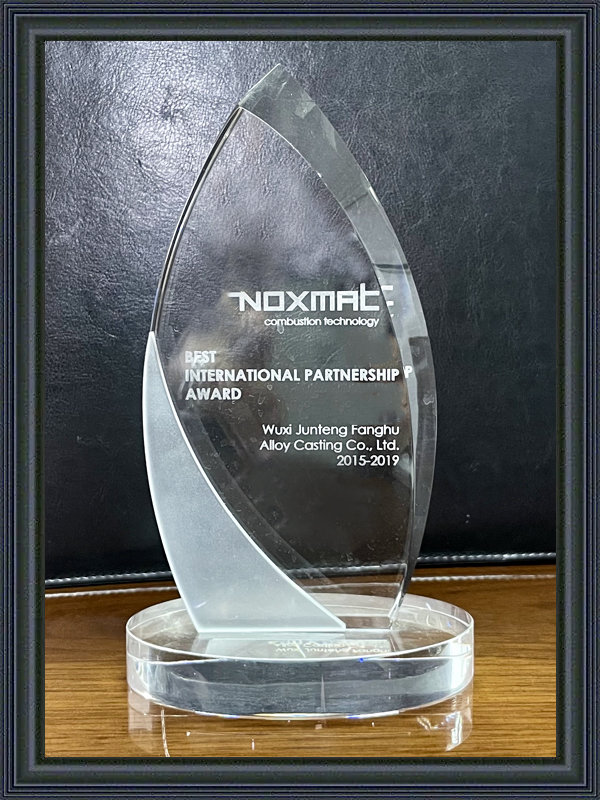
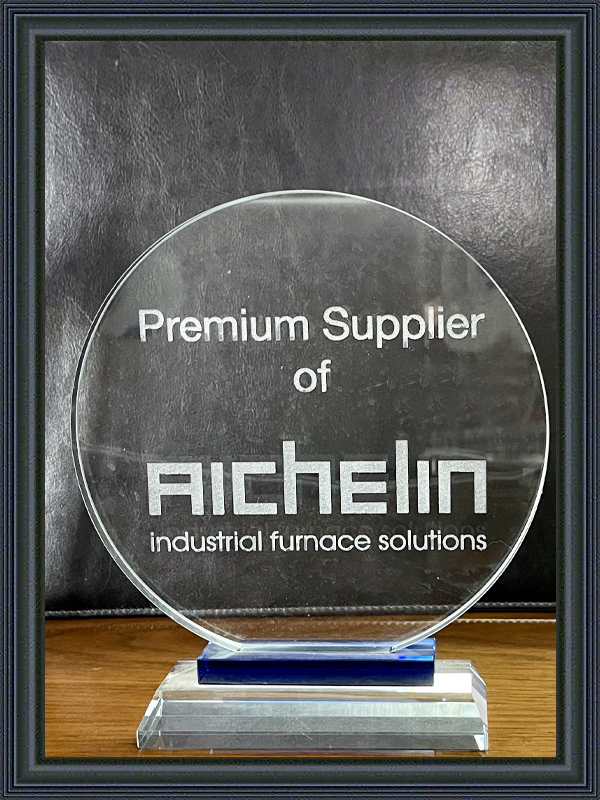
Custom Cast Heat Treatment Baskets with Grid Trays and Wire Mesh for an Italian CustomerCustomer Case Study | Wuxi Junteng Fanghu Alloy Technology Co., Ltd. (FH® Alloy)Project Over...
READ MORECustom Tray Fixture System for Continuous Pusher Furnace Gear Heat TreatmentCustomer Case Study | Engineering Design, Drawing Approval, Manufacturing & DeliveryProduct: Custom ...
READ MORECustom 2.4879 Vacuum Furnace Heat Treatment Trays for a Slovenian CustomerCustomer Case Study | Structural Redesign, Manufacturing & DeliveryCustomer Location: SloveniaProduct:...
READ MORECustomer Case Study | Engineering Design, Manufacturing, Inspection & DeliveryCustomer Location: FranceProduct: Custom Heat Treatment BasketMaterial: 1.4849 Heat-Resistant Stai...
READ MOREWhat are Heat Treatment Trays | FH®?
1. Core Definition: Heat Treatment Trays | FH® are key components used to load, support, and secure workpieces within various industrial furnaces, ensuring dimensional and dimensional stability in high temperatures, rapid thermal cycles, and corrosive environments.
2. Main Functions:
Uniform Heat Transfer: Provides uniform heat distribution, ensuring repeatability and quality of the heat treatment process.
Load Support: Increases single-load capacity, reducing heat treatment costs per workpiece.
Protective Function: Prevents workpieces from direct contact with furnace walls or heating elements, reducing deformation and surface defects.
3. Compatible Furnace Types: Compatible with a variety of furnace types, including box furnaces, pusher furnaces, vacuum furnaces, pit furnaces, and bell furnaces.
Common brands include Ipsen, Aichelin, ECM, KGO, NITRIX, AFC, IVA-SCHEMTZ, CODERE, and MATTASA.
What are the common materials used for Heat Treatment Trays | FH®?
1. Alloy Steel: Offers high-temperature strength and wear resistance, making it one of the most common base tray materials.
2. Heat-Resistant Steel: Maintains strength at extreme temperatures of 1580-1770°C, making it suitable for vacuum furnaces and high-temperature pit furnaces.
3. Stainless Steel: Offers excellent corrosion resistance and is suitable for heat treatment processes in oxygen-containing or acidic atmospheres.
4. Nickel-based superalloys (such as Inconel): Exceptionally perform in extreme thermal cycling and corrosive environments, and are commonly used for heat treatment in aerospace and high-end molds.
5. Special Wear-Resistant Alloys: For applications with high loads and frequent thermal shock, custom alloys containing elements such as molybdenum, titanium, and niobium can be added to enhance lifespan and rigidity.
All of these materials can achieve high surface quality and flatness through lost wax casting or precision die-casting processes, meeting the stringent requirements for base trays in industrial furnaces.
What are the advantages of Wuxi Junteng Fanghu Alloy Technology Co., Ltd.'s Heat Treatment Trays | FH®?
1. Over 20 Years of Research and Development: Since 2006, the company has focused on the research and development of alloy steel components, developing a comprehensive technology system for heat treatment trays.
2. Advanced Lost-Wax Casting: High-precision lost-wax casting ensures a smooth and flat tray surface, enhancing loading stability.
3. Exclusive High-Temperature Alloy Formula: Customized alloy compositions based on customer process recipes, capable of withstanding extreme temperatures, rapid thermal cycling, and corrosive media.
4. Multi-Brand Furnace Compatibility: Pre-designed to accommodate mainstream furnaces such as Ipsen, Aichelin, ECM, KGO, and NITRIX, eliminating secondary modification costs.
5. High-Load Design: Reinforced structure and embedded reinforcement ribs significantly increase single-load capacity, reducing heat treatment costs per workpiece.
6. Durability and Cost Advantages: Utilizing a high-temperature and wear-resistant alloy, the trays significantly extend their service life compared to traditional steel trays, reducing replacement frequency and maintenance costs.
7. Full-process technical support: Provide one-stop services from process evaluation, material selection to pallet design, manufacturing, and on-site commissioning to help customers maximize heat treatment efficiency.

Focus on Designing and Manufacturing Alloy Steel Parts since 2006
 Tel: 0510-83310100
  E-mail: info@alloy-casting.com
  Add: Room 1105,Building 6, Jiaye Wealth Center,Wuxi, Jiangsu, P.R.China P.C.:214000.
  Privacy