Home / News / Industry News / What are the differences between wire mesh and solid plate Heat Treatment Baskets?
What are the differences between wire mesh and solid plate Heat Treatment Baskets?
Industry News
Jan 16, 2026

What are the differences between wire mesh and solid plate Heat Treatment Baskets?

Heat treatment is a critical process in industries ranging from automotive to aerospace, ensuring that metal components achieve the desired mechanical properties, durability, and performance. A key accessory in this process is the Heat Treatment Basket, which holds parts securely while they are exposed to high temperatures. Among the most common designs are wire mesh and solid plate Heat Treatment Baskets, each offering unique advantages and limitations.

Key Characteristics of Wire Mesh Heat Treatment Baskets

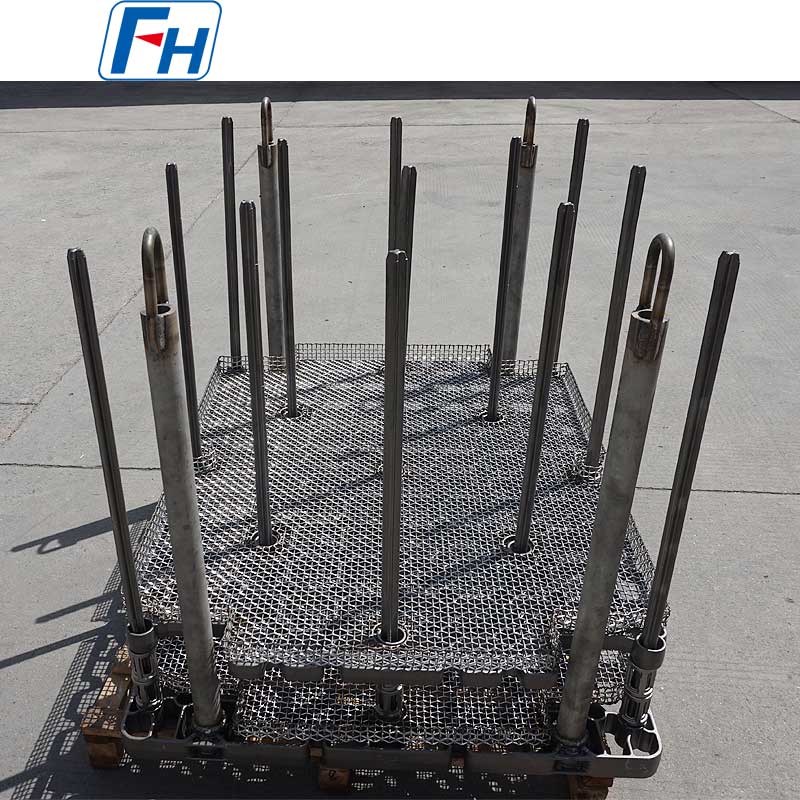
Wire mesh Heat Treatment Baskets are constructed using high-temperature-resistant wire arranged in a grid pattern. This design provides several distinct properties:

  • Excellent Airflow and Heat Circulation: The open structure allows heat and gases to circulate freely around components, ensuring uniform treatment.
  • Lightweight Design: Wire mesh baskets are typically lighter than solid plate alternatives, which reduces handling effort and can improve furnace efficiency.
  • Visibility and Inspection: Operators can easily inspect parts during heat treatment due to the see-through design.
  • Drainage Capability: Any residues, oils, or treatment chemicals can drain through the mesh, preventing contamination and buildup.

Key Characteristics of Solid Plate Heat Treatment Baskets

Solid plate Heat Treatment Baskets are made from continuous metal sheets, offering a more rigid and enclosed structure. Their defining characteristics include:

  • Structural Strength: Solid plates provide excellent support for heavy or irregularly shaped components that may deform wire mesh baskets.
  • Protection from Direct Heat: The enclosed surface can shield delicate parts from direct flame or intense localized heat, reducing the risk of warping or surface damage.
  • Reduced Contamination: Solid surfaces minimize contact with furnace debris, scale, or oxidation particles, which is crucial for high-precision parts.
  • Durability: Solid plate baskets typically last longer under harsh conditions, such as repeated cycles of extreme temperature variations.

Comparing Wire Mesh and Solid Plate Heat Treatment Baskets

Choosing between wire mesh and solid plate Heat Treatment Baskets depends on the type of parts, furnace setup, and desired treatment outcomes. Key comparisons include:

1. Heat Transfer Efficiency

  • Wire Mesh: Offers superior airflow and even heating, ideal for small or complex parts that require uniform treatment.
  • Solid Plate: May experience slower heat penetration, suitable for parts that need gradual or indirect heating.

2. Load Capacity and Weight

  • Wire Mesh: Lightweight and easy to handle but may struggle with very heavy or bulky items.
  • Solid Plate: Can support heavier loads without deformation, though the baskets themselves are heavier.

3. Contamination Control

  • Wire Mesh: Allows particles to fall through but exposes parts to potential furnace debris.
  • Solid Plate: Provides better protection from scale, dust, or contaminants, making it suitable for precision components.

4. Maintenance and Longevity

  • Wire Mesh: May require frequent cleaning to prevent buildup, especially if used with oils or coatings.
  • Solid Plate: Easier to clean and generally has a longer lifespan under high-stress conditions.

Applications and Industry Preferences

Different industries prefer different basket types based on their production requirements:

  • Automotive Parts: Wire mesh baskets are common for small gears, fasteners, and engine components due to their excellent heat circulation.
  • Aerospace Components: Solid plate baskets are often preferred for critical parts requiring minimal surface contamination and strong structural support.
  • General Metal Fabrication: Wire mesh is suitable for batches of small, uniform items, while solid plate handles irregular or heavy components.

Installation and Handling Tips

  • Ensure that baskets fit properly within the furnace to allow optimal heat circulation.
  • Load parts evenly to prevent uneven heating or warping.
  • Regularly inspect wire mesh for breaks or deformation, and solid plates for warping or corrosion.
  • Use protective coatings or high-temperature paints if chemical exposure is expected.

Frequently Asked Questions (FAQ)

Q1: Can wire mesh and solid plate baskets be used interchangeably?

While some applications may allow flexibility, the choice often depends on part size, weight, and sensitivity. Wire mesh is better for light, heat-sensitive items, while solid plates suit heavy or precision components.

Q2: Which basket type is more cost-effective?

Wire mesh baskets are generally less expensive upfront and easier to replace, but solid plate baskets may offer lower long-term maintenance costs due to durability.

Q3: How does the basket design affect energy efficiency?

Wire mesh baskets promote faster and more uniform heating, potentially reducing furnace energy consumption. Solid plates may require slightly longer cycles for even heat distribution.

Q4: Are there hybrid designs available?

Yes, some manufacturers offer baskets combining wire mesh and solid plate features, balancing airflow, load support, and contamination protection.

Conclusion

Understanding the differences between wire mesh and solid plate Heat Treatment Baskets is essential for optimizing heat treatment processes. Wire mesh baskets excel in airflow, lightweight handling, and uniform heating, while solid plate baskets offer superior support, protection, and durability. Selecting the right basket type enhances production efficiency, ensures part quality, and prolongs furnace life.

v